Automatic Drip Irrigation System Review & Test
Introduction
On a site dedicated to lawn and garden maintenance, our approach is often focused on cutting, mowing, and mechanical work. However, a lush, healthy lawn, just like flowering beds or a productive vegetable garden, rests on a fundamental pillar: effective and appropriate watering. The Automatic Drip Irrigation System we are analyzing today falls within this logic of smart gardening. It is not a cutting tool, but a targeted irrigation system designed to optimize water delivery. We will evaluate it according to our usual criteria: ease of installation, robustness, adaptation to different types of needs (from the small urban garden to more extensive flower beds) and, above all, its performance within the framework of effective and economical landscape maintenance.
Strengths and Weaknesses
Before diving into the details, let's summarize what emerges from the analysis of specifications and field feedback.
Strengths:
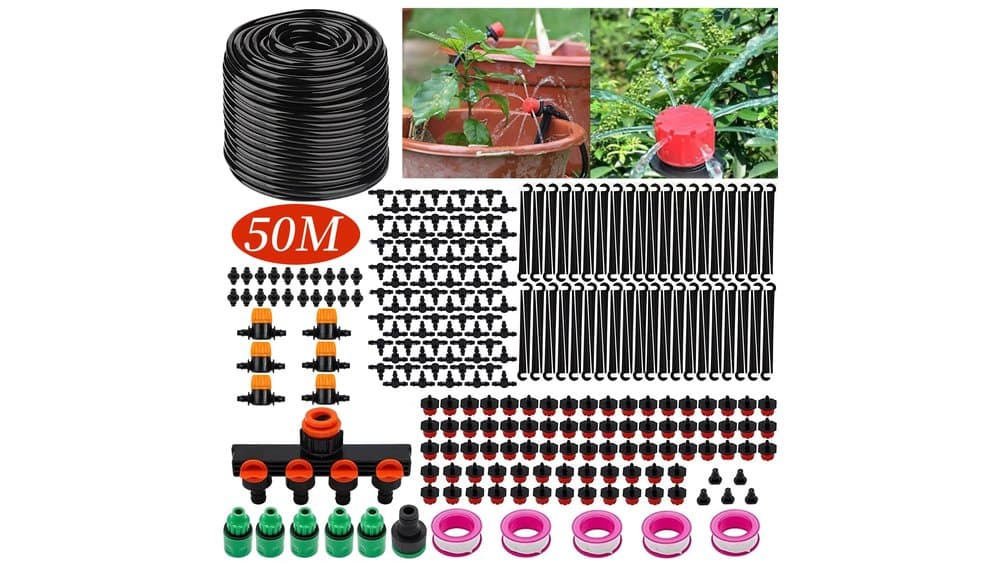
- Completeness of the kit: The product stands out for its impressive number of accessories (285 pieces), allowing for an extensive and customized installation without needing to buy additional components immediately.
- Connection versatility: The included universal connector adapts to most taps, threaded or not, simplifying the start of the installation.
- Watering precision: The adjustable drippers (80 units) offer the possibility to individualize the flow rate for each plant, a major asset for mixed beds or vegetable gardens.
- Installation without construction work: No excavation or plumbing is required. The system is designed to be laid on the ground, an advantage for occasional gardeners.
Weaknesses:
- Limited pipe diameter: According to user feedback, the very small internal diameter of the main pipe (4/7 mm or about 3 mm) seriously limits the line length and the number of drippers per line before significant pressure loss.
- Sensitivity to pressure and clogging: Performance is highly dependent on available water pressure. With low pressure or unfiltered water, testers report risks of dripper clogging.
- Fitting robustness to be confirmed: Some reviews point to issues with the long-term hold of the fittings, with pipes that can come off, leading to leaks and waste.
- "Automatic" to be qualified: The kit itself is not automatic. It requires the addition of an external timer on the tap to achieve truly autonomous watering.
Detailed Product Analysis
Philosophy and Context of Use in Garden Maintenance
The Automatic Drip Irrigation System is clearly positioned as a targeted watering solution. From a garden maintenance perspective, this makes it perfect for flower beds, hedges, vegetable gardens, or rows of container plants. On the other hand, and this is crucial to understand, it is not a system suited for watering an entire lawn. For a lawn, oscillating, rotating, or in-ground sprinklers are needed to achieve uniform coverage. This kit therefore finds its place as a complement to a lawn watering system, to target the mixed zones of the garden.
Its main ecological and practical benefit, widely emphasized by experts, is the substantial water savings it allows. By delivering water directly to the base of plants, it minimizes evaporation and runoff. Once properly installed and coupled with a timer, it also frees the user from the chore of manual watering, ensuring a beneficial regularity for plant health, especially during summer absences.
Installation and Modularity
The manufacturer highlights easy installation, and feedback from novice users generally confirms this. The principle is modular: the 4-way splitter allows for the creation of up to four independent lines from a single tap. Each line can be equipped with drippers, connected via T-fittings, and controlled by mini shut-off valves. This flexibility is one of the kit's major assets.
However, one technical detail is crucial and a source of difficulty for some: to insert the fittings into the pipes, the instructions recommend soaking the end of the pipe in hot water to soften it. Users who neglect this step report assembly difficulties. Conversely, those who follow the procedure find installation relatively easy. The quality of the fixings (stakes) is adequate for holding pipes in place on loose soil but may prove insufficient on hard surfaces without additional securing.
Performance and Real Technical Limits
It is on performance that the technical data and user feedback compel us to temper enthusiasm.
First key element: pressure. As experts note, drip systems are pressure-sensitive. The product specifications mention this, recommending not to put too many drippers on the same line in case of low pressure. One user testifies that the system performed poorly with a pump at 1 bar, but much better at 2 bars, though then the flow was no longer truly a "drip" but a small stream. This highlights the importance of testing and adapting your network to your own water pressure.
Second critical point: the pipe diameter. With an internal diameter of only 3 mm, the pressure drop is significant. Several reviews agree: beyond 5 to 10 meters of development per line, the flow at the end of the line becomes weak or non-existent. This makes the kit an ideal solution for small to medium gardens, balconies, or greenhouses where lines can be short and multiple, but unsuitable for irrigating a long 20-meter row in one go without a booster pump.
Finally, the notion of "automatic" deserves clarification. The kit contains neither a timer nor a moisture sensor. It is a distribution network. To make it automatic, it is imperative to add an electronic or mechanical timer to the supply tap. This is an additional investment to plan for true autonomy.
Durability and Maintenance
Durability is the great unknown for this type of entry-level kit. The advertised material is UV-resistant PVC/ABS, which is necessary for prolonged outdoor exposure. However, the community raises doubts about the longevity of the plastic fittings and the hold of the connector ends in the pipe over several seasons. Some reports of leaks after a few months of use call for caution.
Preventive maintenance is essential. All experts agree on the absolute necessity of installing a filter between the tap and the system, even if it is not supplied in the kit. Without a filter, micro-particles and limescale in the water will quickly clog the adjustable drippers, requiring tedious cleaning. This is an additional cost and step to ensure system reliability.
Technical Specifications
| Category | Specification of the Automatic Drip Irrigation System |
|---|---|
| Kit Contents | 285 pieces |
| Main Pipe Length | 50 meters (in 4/7 mm - ~3mm internal / ~6mm external) |
| Pipe Type | UV-resistant PVC/ABS |
| Drippers | 80 adjustable units |
| Distribution System | 4-way splitter with individual valves |
| Source Connectivity | Universal connector for 1/2", 3/4" threaded or smooth taps |
| Main Accessories | T-fittings (80), Extension fittings (20), Fixing stakes (80), Mini-valves (6), End caps, Hose clamp |
| Power Source | Water pressure (no battery/electricity for the basic kit) |
| Automation | Not included. Requires separate purchase of a tap timer. |
| Target Applications | Balconies, vegetable gardens, flower beds, greenhouses, small gardens, hedges. |
What Users and Experts Say
The synthesis of 399 customer reviews (average rating 3.9/5) and expert analyses reveals clear trends.
The recurring positive points revolve around the excellent quantity/price ratio for the number of pieces provided. Users are satisfied with the versatility and customization allowed by the numerous accessories. Installation is considered simple for a weekend DIYer who follows the instructions (especially the hot water tip). In operation, those with modest-sized installations and correct pressure note appreciable water savings and time gains.
The highlighted negative points converge on technical and durability problems. The pipe diameter being too small is the most frequent criticism, drastically limiting the system's actual reach. Concerns about leaks at the fittings, sometimes from the first use or after a few weeks, raise questions about robustness. The sensitivity to dripper clogging is also often mentioned, confirming the need for a filter which is not supplied. Finally, a few users were disappointed by the term "automatic," expecting an included timer.
Expert analyses on the web confirm this overview. They validate the interest of drip irrigation for precision and water savings but warn against budget starter kits, describing them as sometimes fragile and requiring vigilant maintenance. They recommend, as for any irrigation system, to overspecify on filtration and to properly size your network according to your pressure.
Conclusion
The Automatic Drip Irrigation System is an introductory kit to the world of targeted irrigation. Its main argument is its completeness and accessible price for a very high number of components. It represents an interesting solution for an amateur gardener looking to automate the watering of delimited zones like a vegetable garden, a small flower bed, or a balcony border.
However, our technical analysis and community feedback compel us to temper expectations. Its physical limits (pipe diameter, pressure sensitivity) make it a product suited for small to medium projects, but unsuitable for large areas. Its long-term durability and leak resistance remain question marks that place this kit more in the "good starting point on a tight budget" category rather than as a professional and lasting solution.
For our site's user, concerned with the effective maintenance of their green space, the verdict is nuanced. If you have a small urban garden, a greenhouse, or specific planting areas to manage, this kit can be a cost-effective experiment, provided you add a filter and a timer, and accept that you may potentially have to replace some components over time. For watering an extensive lawn or a large property, it will be of no use, and for critical or large-scale installations, it will probably be preferable to invest in systems from reputable brands known for their reliability and technical support.
100% free and independent — All our articles are written independently, without any sponsorship. We may earn a commission on purchases made through our links, at no extra cost to you.
Articles you might like
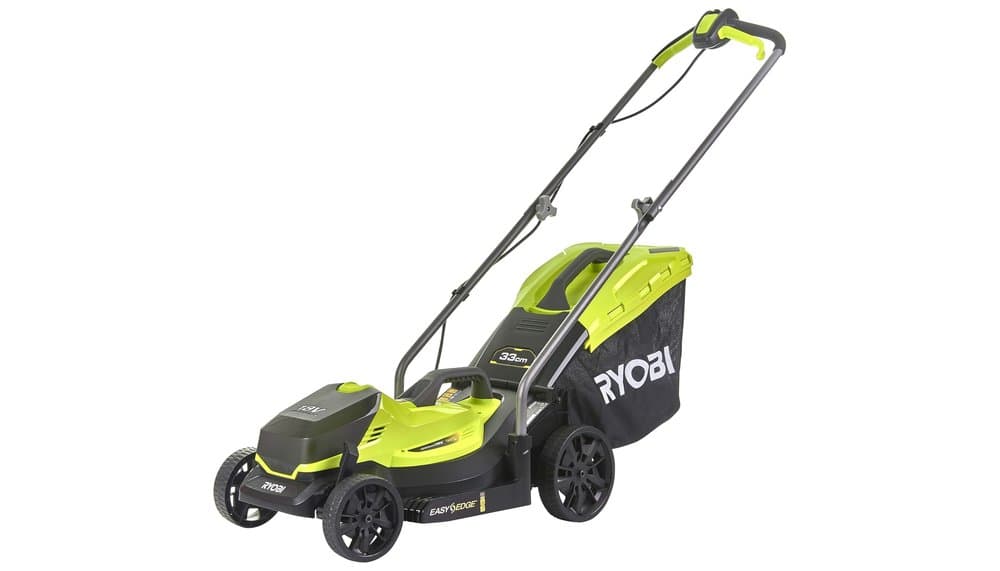
Ryobi One+ RLM18X33B40 18V Cordless Mower Review
RYOBI 18V cordless mower for small gardens, part of the ONE+ ecosystem using a universal battery compatible with over 200 tools.
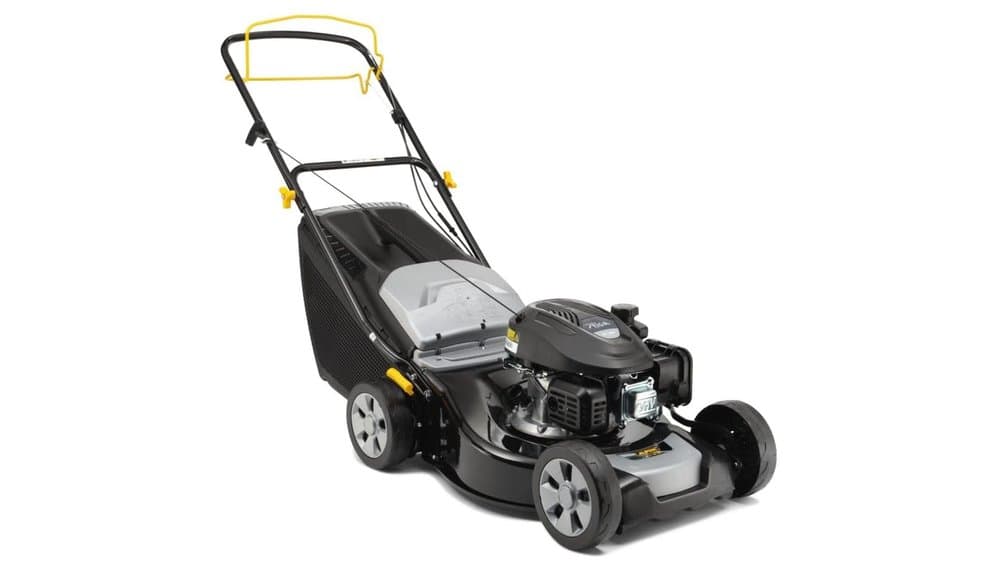
Alpina AL4 46 SA Petrol Lawnmower Review & Test
Alpina AL4 46 SA review: A robust, self-propelled petrol mower for medium to large gardens. We analyze its specs, performance, and user feedback.
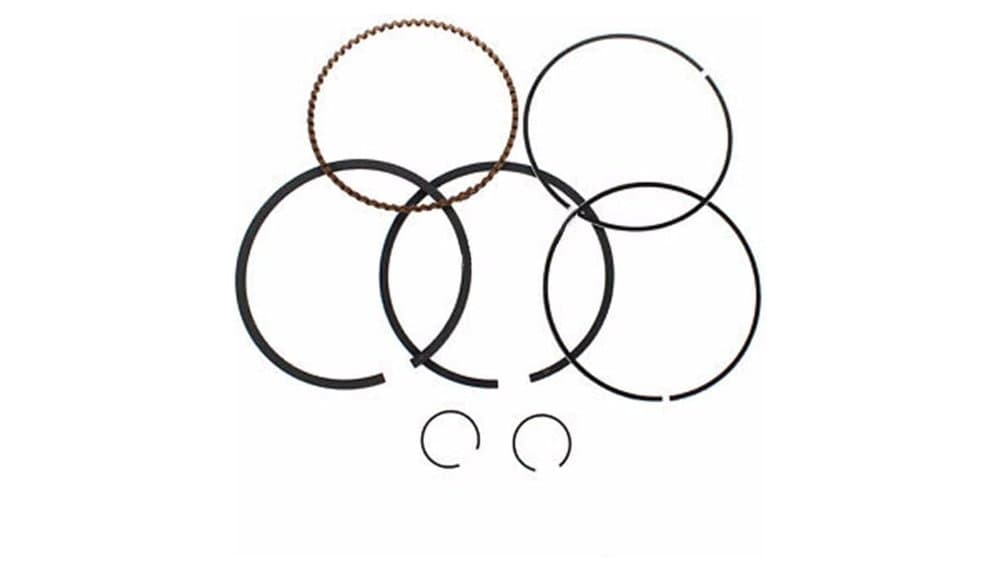
LIZONGFQ GX390 Engine Rebuild Kit Review
Restore performance: Rebuild your Honda GX390-type lawn mower engine instead of replacing the entire machine with cost-effective repair parts.
Guides you might like
Ultimate Guide to Gas Mowers
Petrol lawnmowers provide power & autonomy for large lawns over 500 m². Key features & selection criteria for your garden explained.
Buying Guide: Choosing Your Thermal Brushcutter
Guide to choosing a thermal brushcutter: Compare 2-stroke vs. 4-stroke engines and harness types for effective clearing of brambles and sloped terrain.
Wireless robotic lawn mower guide
Choose the perfect cordless robotic lawn mower. Learn to match battery life, cutting width, and your garden's layout for a flawless, hands-free lawn.