DAKEPOLE Adjustable Straw Rake: Heavy Duty Test
Introduction: A Scarifying Rake for In-Depth Lawn Care
In the world of manual gardening tools, some products focus on a single task, while others aim for versatility. The DAKEPOLE Straw Rake Adjustable Heavy Duty Garden Rake clearly falls into this second category. Presented as a manual scarifying (dethatching) tool, it promises to solve a recurring problem for enthusiasts of a beautiful lawn: the accumulation of thatch, moss, and debris that suffocates the grass. On paper, it is not a simple leaf rake, but a tool designed for curative and preventive lawn maintenance. Here, we will dissect its features, compare its promises with user feedback, and determine for which type of gardener and surface it represents the best investment.
Main Strengths
What interests us here are the characteristics that distinguish this rake from classic tools.
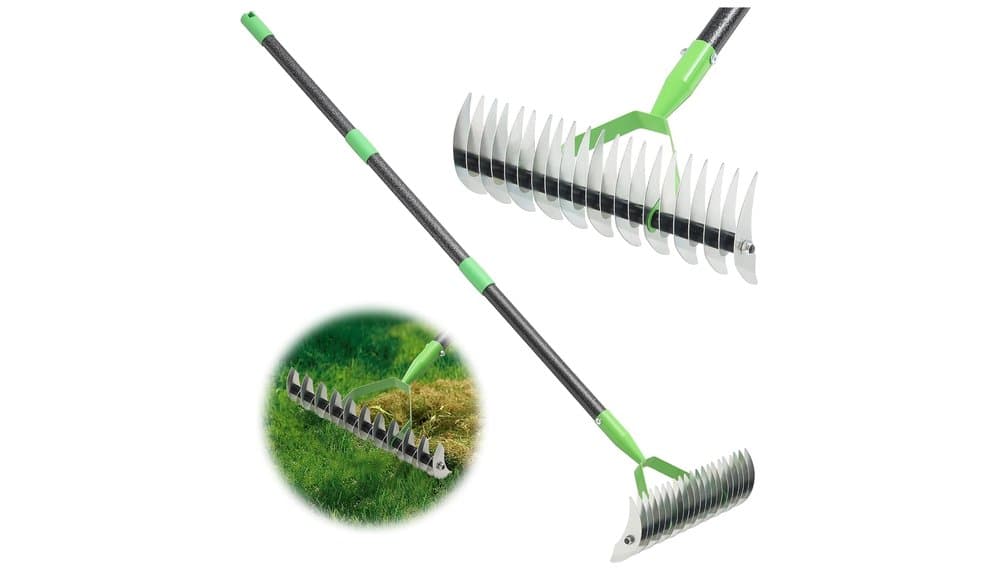
- An intelligent dual-sided design: The main selling point of the DAKEPOLE Straw Rake is its two-sided working head. One side is equipped with curved and sharpened tines dedicated to aggressive scarifying and dethatching. The other, flat side is used for fine raking and leveling. This duality makes it a versatile tool that can handle multiple maintenance steps without changing tools.
- A stated penetration capability: With 21 tines each 7.3 cm long, the rake is designed to penetrate beyond the grass surface and reach the thatch layer. The specifications claim a deep action to dislodge moss and dead grass "down to the lower layers of the soil", which is the primary goal of a good scarifier.
- An adjustable and robust handle: The metal handle, with an initial length of 140 cm, provides appreciable leverage for work with less back strain. Its adjustment system allows it to be shortened for optimized storage, a non-negligible point for small garden sheds.
- The claimed versatility: Beyond scarifying, the manufacturer presents it as useful for weeding, light aeration, leaf raking, or cleaning flower beds. It positions itself as a general-purpose gardening tool.
Potential Weaknesses
Analysis of user feedback and physical characteristics reveals some limitations to be aware of before purchase.
- Considerable physical effort: This is the point most often raised by the community. Effective manual scarifying, especially on a medium-sized lawn or with thick thatch, remains a physically demanding activity. This tool makes the task easier but does not turn it into a walk in the park. It is not suitable for very large areas.
- Durability under conditions: Although described as "Heavy Duty", the sturdiness of the assembly between the handle and the head is questioned by some users. Intensive use or use on very compact soil could test the fixation point.
- Limited effectiveness on thick thatch or hard soils: For very neglected lawns with significant thatch, the manual tool can show its limits compared to a motorized scarifier (gas or electric). Similarly, on very clayey and compact soil, the penetration of the tines requires increased effort.
- Leaf raking that could be improved: The flat side, although useful for collecting debris after scarifying, is not as effective as a traditional leaf rake with flexible, widely spaced tines for large quantities of autumn leaves.
Detailed Analysis for Lawn Care
Let's now evaluate the DAKEPOLE Straw Rake strictly from the perspective of lawn care, comparing its approach with the motorized solutions we know well.
Unlike a lawn mower, it does not have a "cutting system" per se. Its action is mechanical and vertical: it tears out and extracts. It is a tool for soil and turf curation. Its "effective working width" corresponds to the width of its head, which is 33 cm (13 inches). This is a reasonable width for a manual tool, allowing for precise area treatment but requiring multiple passes for an entire lawn.
The question of cutting height does not apply. On the other hand, the working depth is crucial. It is determined by the length of the tines (7.3 cm) and by the force applied by the user. This is both an advantage (you control the depth) and a constraint (the effort is variable). For proper scarifying, the tines must reach the soil beneath the thatch layer.
The material of the "deck" -- here the tool head -- is alloy steel. This is a good point, as it guarantees a certain resistance to bending and rust for the tines. The metal handle is also a wise choice for sturdiness compared to wood, which could split.
For which surfaces and which gardeners?
- Small to medium urban/suburban gardens (up to 200-300 m2): This is its ideal terrain. The tool is manageable and storage is easy.
- Regular and localized maintenance: Ideal for shady areas prone to moss, for preparing an area before sowing, or for light annual scarifying.
- Eco-conscious gardener or one wishing to avoid a motorized purchase: No battery, no gas, no noise (0 dB), no emissions. It is a silent and non-polluting tool.
- Complement to motorized equipment: Even for an owner equipped with a motorized scarifier, this manual tool can be perfect for edges, tight corners, and small maintenance tasks between uses of the main machine.
Technical Specifications
| Characteristic | Detail for the DAKEPOLE Straw Rake |
|---|---|
| Tool Type | Manual scarifying / dethatching rake, versatile |
| Working Width | 33 cm (13 inches) |
| Number and Type of Tines | 21 curved steel tines, length 7.3 cm |
| Primary Function | Dethatching, scarifying, light aeration |
| Secondary Function | Raking, leveling, weeding |
| Head Material | Alloy steel |
| Handle Material | Metal (steel) |
| Handle Length | Adjustable, up to 140 cm |
| Weight | Approximately 0.45 kg (1 pound) - remarkably light |
| Key Advantages | Versatility (dual-sided), lightweight, adjustable handle, silent, no engine maintenance |
| Major Constraints | Physical effort required, limited to small/medium surfaces, effectiveness on very hard soil |
What Users and Testers Say
Synthesizing feedback from the community and available online analyses reveals a clear consensus on several points.
Recurring positive points:
- Outstanding effectiveness on moss and light thatch: The majority of users confirm that the tool does its primary job very well. It extracts impressive amounts of dead organic matter, leaving the lawn aerated. Testers emphasize that the result is visible immediately after use.
- Lightweight and easy to handle: Its low weight is unanimously praised. It is easy to manipulate, even during extended periods, and its grip is intuitive.
- Practical storage: The ability to shorten the handle is appreciated by those with limited storage space.
- Excellent value for money for occasional use: For a gardener who carries out seasonal maintenance (spring/autumn), it is seen as a wise and durable purchase, avoiding the rental or purchase of an expensive machine.
Reported criticisms and limitations:
- Sturdiness over time: Some users report loosening or play that can appear at the junction between the handle and the head after several intensive uses. This suggests that periodic tightening of the fixing screws may be necessary.
- The handle can vibrate/transmit shocks: Although lightweight, the metal handle, especially when fully extended, can transmit vibrations upon impact with the ground or roots, which some find uncomfortable.
- Not a solution for large surfaces: The advice is unanimous: do not consider it for a lawn of more than 300-400 m2, unless you are very patient and motivated. The effort becomes tedious.
- Finishes may vary: Some reviews mention burrs on the tines or a slightly rough coating requiring light sanding for a perfect finish, but this does not affect functionality.
Conclusion: A Relevant Manual Tool for Targeted Maintenance
The DAKEPOLE Straw Rake Adjustable Heavy Duty Garden Rake largely lives up to its promises as a versatile manual dethatching tool. Its major asset is its intelligent dual-sided design that makes it useful for multiple stages of lawn and garden maintenance. Lightweight, easy to store, and silent, it is perfectly suited for owners of small to medium-sized lawns who carry out regular maintenance without investing in motorized equipment.
However, it is crucial to understand its limitations. This is not a motorized scarifier. Its use requires a non-negligible physical effort and its effectiveness on extensive surfaces or extremely compact soils is reduced. The community also warns of the need to regularly check the sturdiness of the assembly for optimal durability.
In summary, if you are looking for an effective, ecological, and economical tool to revitalize your reasonably sized lawn, the DAKEPOLE rake is an excellent candidate. Consider it as precision and routine maintenance equipment rather than as an earthmoving machine. For very large surfaces or cases of extreme neglect, a motorized scarifier will remain the most rational investment in terms of effort and time.
100% free and independent — All our articles are written independently, without any sponsorship. We may earn a commission on purchases made through our links, at no extra cost to you.
Articles you might like

Electric Trimmer with 5W Motor Lint Remover Review
Electric lint remover for outdoor textiles like garden furniture covers & blankets. A unique tool for lawn care & garden maintenance contexts.
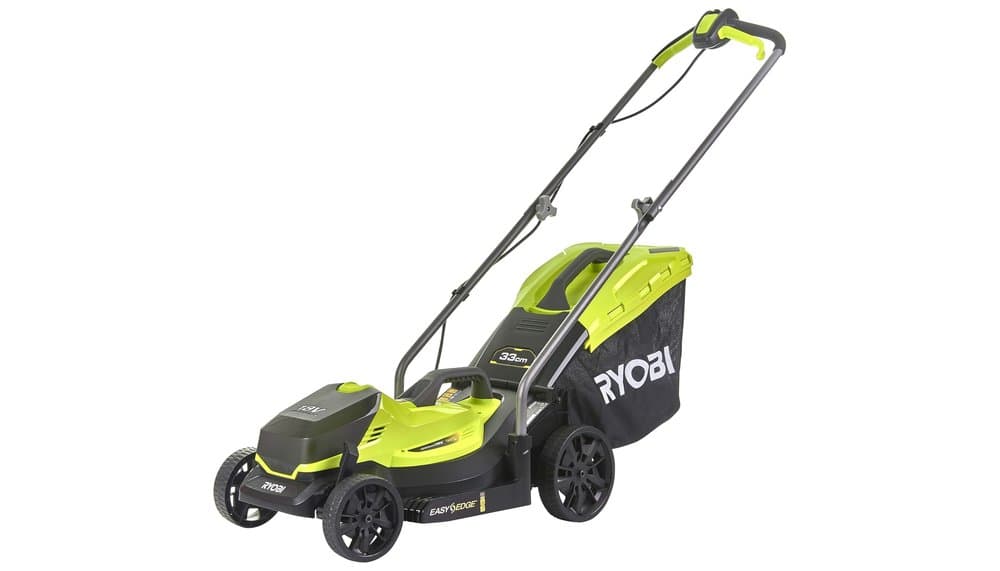
Ryobi One+ RLM18X33B40 18V Cordless Mower Review
RYOBI 18V cordless mower for small gardens, part of the ONE+ ecosystem using a universal battery compatible with over 200 tools.
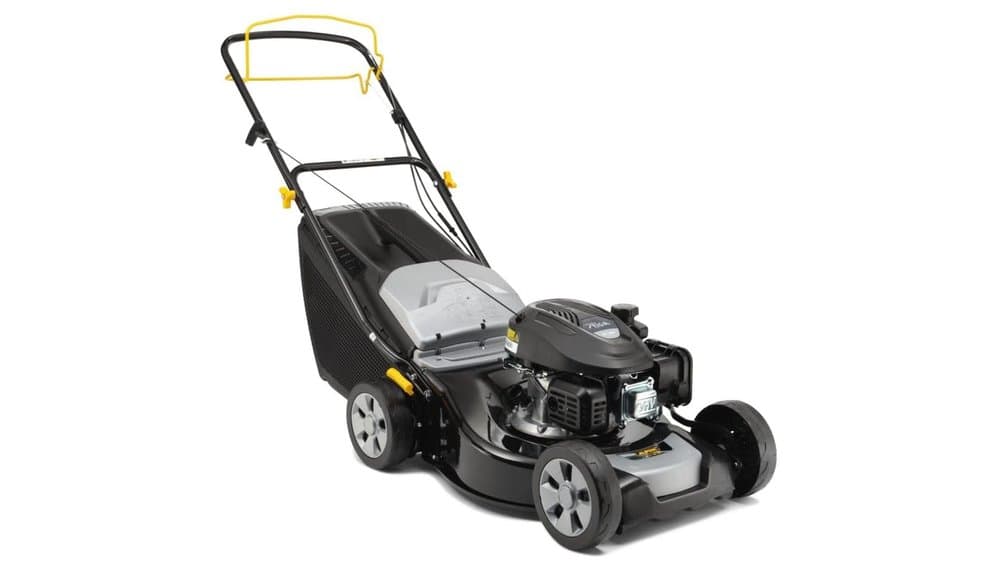
Alpina AL4 46 SA Petrol Lawnmower Review & Test
Alpina AL4 46 SA review: A robust, self-propelled petrol mower for medium to large gardens. We analyze its specs, performance, and user feedback.
Guides you might like
Ultimate Guide to Gas Mowers
Petrol lawnmowers provide power & autonomy for large lawns over 500 m². Key features & selection criteria for your garden explained.
Buying Guide: Choosing Your Thermal Brushcutter
Guide to choosing a thermal brushcutter: Compare 2-stroke vs. 4-stroke engines and harness types for effective clearing of brambles and sloped terrain.
Wireless robotic lawn mower guide
Choose the perfect cordless robotic lawn mower. Learn to match battery life, cutting width, and your garden's layout for a flawless, hands-free lawn.