DeeDuud 51cm Petrol Lawn Mower Review & Test
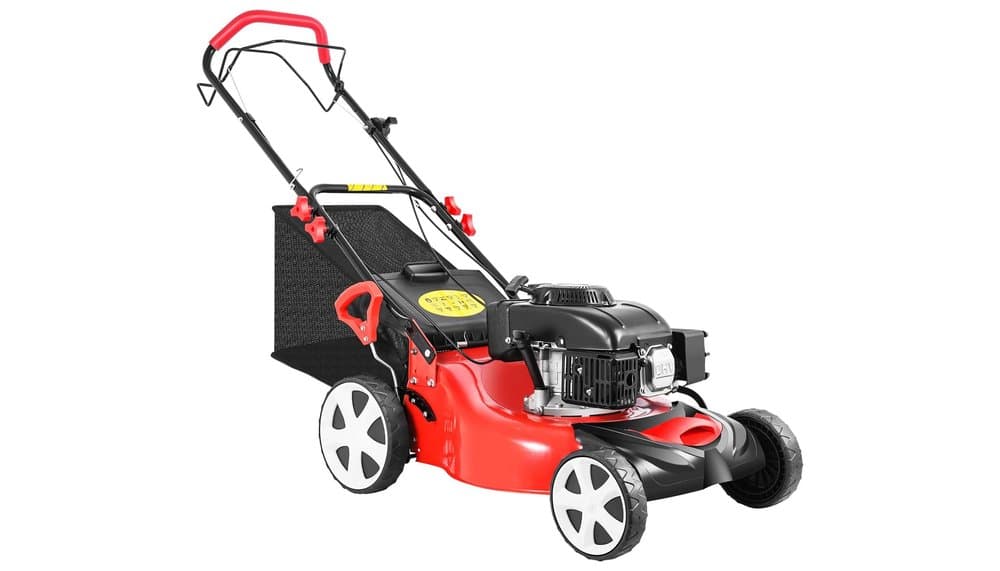
Product Analysis: DeeDuud 51cm Self-Propelled Petrol Lawn Mower
On paper, the DeeDuud 51cm Self-Propelled petrol lawn mower presents itself as a robust machine intended for medium to large gardens, promising power and autonomy far from electrical outlets. Through this analysis, we will break down its specifications, confront its promises with community feedback, and determine if it constitutes a wise investment for maintaining your lawn.
Presentation and Positioning
The DeeDuud 51cm Self-Propelled Petrol Lawn Mower is a petrol mower with self-propelled drive. It clearly targets owners of plots of 500 m² and above, where cutting width and the autonomy of a petrol engine become major advantages over battery-electric models. Its positioning suggests a balance between industrial power and demanding domestic use. What interests us here is seeing if the promise of powerful and effortless cutting holds up in the field.
Theoretical Strengths
According to its technical specifications, this model presents several strong arguments for the demanding gardener.
A Generous Petrol Engine: The heart of this machine is its 4-stroke OHV engine, 140 cm³, rated at 5 HP. This displacement, quite significant for a consumer-grade mower, suggests strong torque for tackling tall and dense grass without stalling, a decisive advantage on neglected lawns or at the end of the season.
Autonomy and Productivity: With a 1.6-liter fuel tank and a 51 cm (20 inch) cutting width, it is designed to cover large areas without frequent pauses for refueling or emptying the bag. The 60-liter collection bag aligns with this, allowing a considerable area to be treated before needing to be emptied.
Ease of Use: The self-propelled function is a major asset on slopes or large plots. It reduces the physical effort of pushing the machine, limiting the user to steering it. The large rear wheels (24.5 cm in diameter) should improve stability and traction.
Potential Weaknesses
However, certain characteristics merit critical examination and are often sources of compromise in this price category.
Weight and Maneuverability: With a net weight of 32.6 kg, this mower is not a light machine. While the self-propelled drive partly compensates, handling (moving it out of the garage, over steps, tipping it for maintenance) can become a physical challenge for some users.
Complexity and Petrol Engine Maintenance: Unlike an electric model, a petrol mower requires regular maintenance: oil changes, spark plug replacement, fuel stabilization in winter, etc. This is the price to pay for power and autonomy. The buyer must be prepared to dedicate time to it.
Noise and Emissions: The petrol engine is inherently noisier and more polluting than an electric motor. The stated noise level of approximately 70 dB is typical for the category, but remains significant, requiring the use of hearing protection and operation during appropriate hours.
Detailed Technical Analysis
Let's now delve into the details that impact daily performance.
The Cutting System and Adjustment
This mower offers theoretical versatility through its mulching function (fine shredding), side discharge, and the 60-liter collection bag. Mulching allows nutrients to be returned to the lawn without bagging, a practice beneficial for lawn health. The manganese steel hardened blade promises superior longevity and wear resistance. Cutting height adjustment is available in 8 levels, from 25 to 80 mm. This range is quite standard and covers most needs, from close summer mowing to higher settings for ornamental lawns or spring growth.
The Engine and Drive System
The specs announce 5 HP of power for the 140 cm³ 4-stroke engine. This configuration is generally more fuel-efficient, quieter, and more reliable than an old 2-stroke engine. The self-propelled drive on the rear wheels is a must for sloped terrain. However, the community of petrol mower users often emphasizes that the quality of the drive adjustment (walking speed) is crucial for comfort.
Construction and Practicality
The chassis appears to be a combination of steel and nylon, a compromise between robustness and weight management. The folded dimensions (119.5 cm long) should be considered for storage. A potential weak point, often reported on models from less established brands, concerns the long-term availability of spare parts (blades, cables, wheels, air filters). This is a question to ask before purchasing.
Technical Specifications Table
| Category | DeeDuud 51cm Specification |
|---|---|
| Type | Petrol lawn mower |
| Engine | 4-stroke OHV engine, 140 cm³, ~5 HP |
| Start System | Recoil starter (pull cord) |
| Drive | Self-propelled (rear wheel drive) |
| Cutting Width | 51 cm |
| Cutting Height | 8 levels, 25 - 80 mm |
| Functions | Mulching, side discharge, bagging |
| Bag Capacity | 60 liters |
| Net Weight | 32.6 kg |
| Wheel Diameter | Front: 19.5 cm / Rear: 24.5 cm |
| Noise Level | ~70 dB |
| Fuel Tank Capacity | 1.6 L |
| Main Construction | Steel, Nylon |
What Users and the Community Say
An analysis of customer feedback and online discussions about this type of product reveals recurring trends, both good and bad. It should be noted that for this specific model, complete reviews are still few, but we can extrapolate from experiences with machines of similar specifications.
Frequently Highlighted Positive Points:
- Effective Power: Users generally confirm that engines of this displacement deliver on their promises in tall and dense grass, avoiding frequent stalling.
- Time Saving: The 51 cm cutting width and the large bag are appreciated for drastically reducing mowing time on significant areas.
- Drive Comfort: The self-propelled function is regularly cited as a major change, preserving the user's back and energy, especially on inclines.
Recurrent Points of Caution and Criticisms:
- Assembly and Initial Setup: For models delivered in kit form, assembly can prove complex and manuals are sometimes unclear. Careful initial setup (filling oils, first starts) is crucial.
- Engine Speed and Cut Quality: Some testers note that for a truly clean cut and effective mulching, it is imperative to run the engine at full throttle. Operating at lower revs can leave a disappointing result and foul the crankcase.
- Quality of Finishes: On some entry-level products, the community sometimes reports control cables that can jam, imprecise height adjustments, or fragile plastic parts. Long-term durability is an unknown without an established brand history.
- Noise and Vibrations: The noise level around 70 dB is confirmed as requiring protection. Vibrations can also be present, although 4-stroke engines are generally smoother than 2-strokes.
Conclusion: Who Is This Mower For?
The DeeDuud 51cm Self-Propelled Petrol Lawn Mower positions itself as a powerful and autonomous solution for medium to large plots (from 500 m²). Its technical assets - the 140 cm³ engine, the wide 51 cm cut, the large bag, and self-propelled drive - make it, on paper, an efficient ally for demanding mowing tasks.
However, this tool is not a universal solution. Its substantial weight and the maintenance required by the petrol engine make it a reasonable choice mainly for the practically-minded and physically capable user, who has a garage or shed for storage and is willing to perform routine maintenance tasks. It is less suited for very small gardens, users seeking absolute quiet, or those who want a "ready-to-use" machine with no mechanical upkeep.
In summary, if your main criteria are raw power, autonomy, and productivity on a substantial area, and you accept the associated maintenance contract and weight, this mower deserves your attention. For a smaller garden or more occasional and quieter use, a 40V or 56V battery-electric mower, or even a robotic mower, might represent a more judicious compromise in terms of practicality and effort.
100% free and independent — All our articles are written independently, without any sponsorship. We may earn a commission on purchases made through our links, at no extra cost to you.
Articles you might like
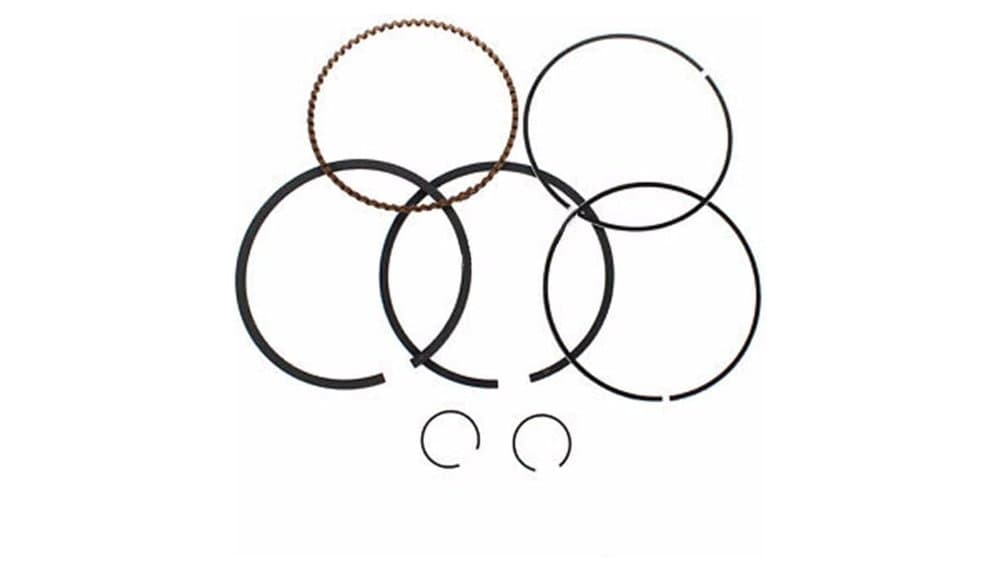
LIZONGFQ GX390 Engine Rebuild Kit Review
Restore performance: Rebuild your Honda GX390-type lawn mower engine instead of replacing the entire machine with cost-effective repair parts.
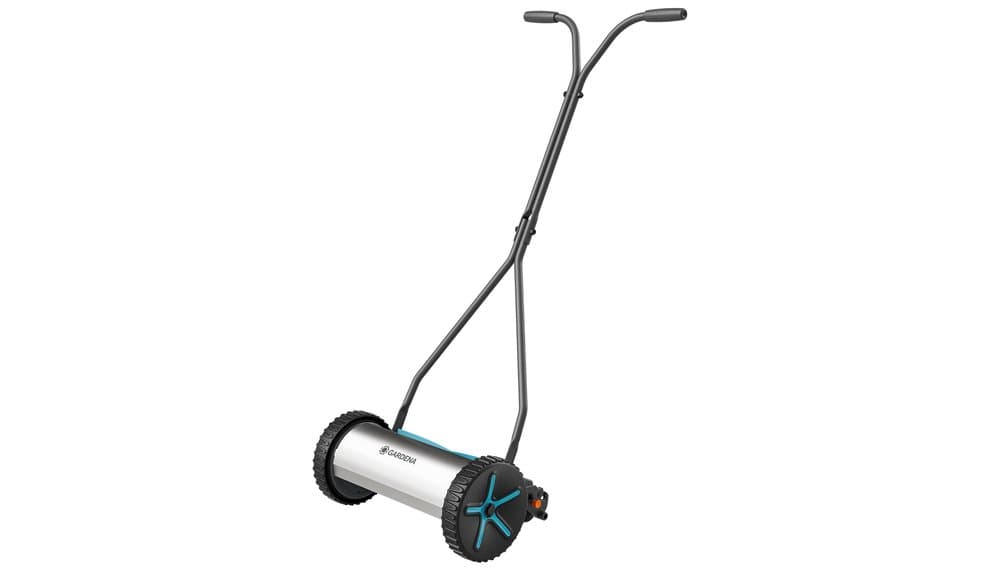
Gardena Comfort 330 Manual Lawn Mower Review and Test
No engine, no battery. This manual cylinder mower offers a quiet, eco-friendly cut for small lawns, delivering quality like an English green.
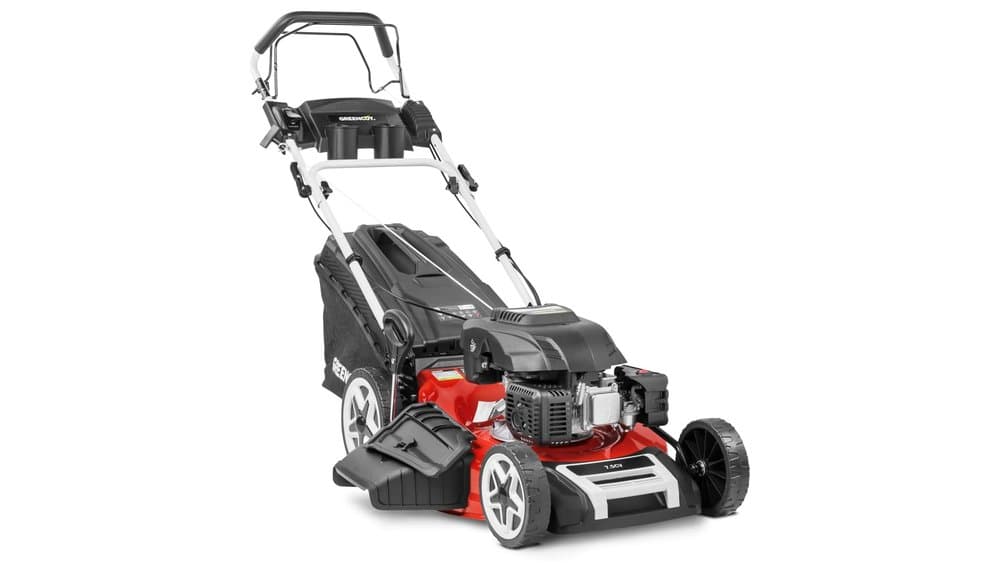
Greencut GLM880X Lawn Mower Test & Review
Discover the Greencut GLM880X: a powerful, self-propelled mower for large lawns. Our review analyzes its performance, features, and real-user feedback.
Guides you might like
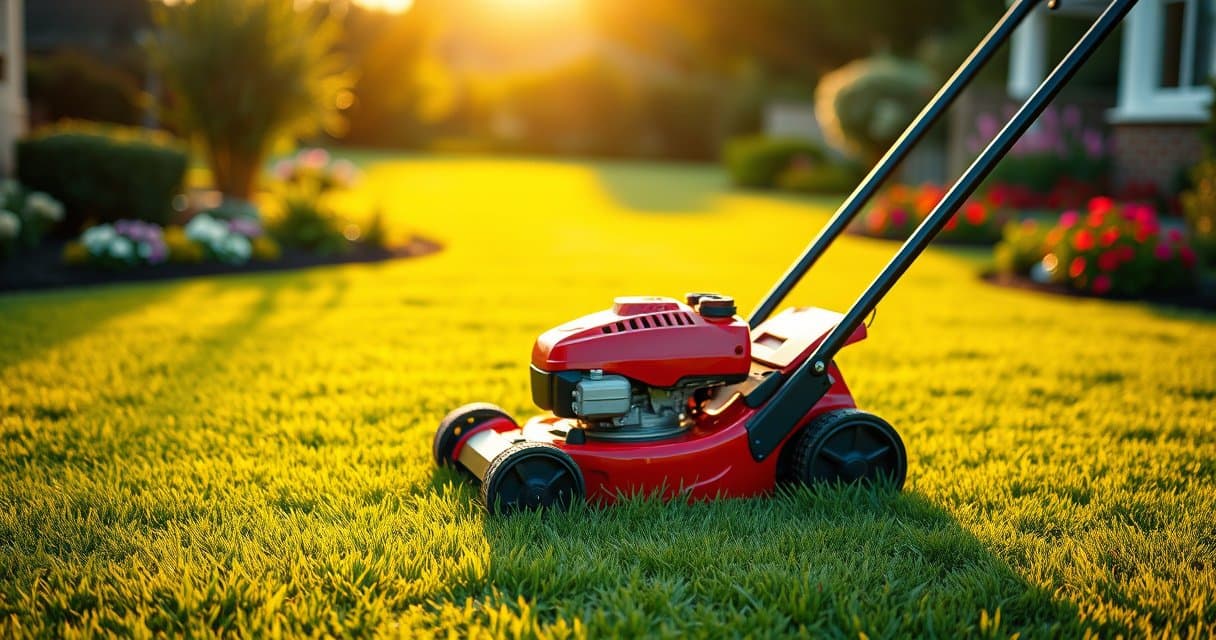
Ultimate Guide to Gas Mowers
Petrol lawnmowers provide power & autonomy for large lawns over 500 m². Key features & selection criteria for your garden explained.
Buying Guide: Choosing Your Thermal Brushcutter
Guide to choosing a thermal brushcutter: Compare 2-stroke vs. 4-stroke engines and harness types for effective clearing of brambles and sloped terrain.

Wireless robotic lawn mower guide
Choose the perfect cordless robotic lawn mower. Learn to match battery life, cutting width, and your garden's layout for a flawless, hands-free lawn.