Best Cordless Lawn Mower
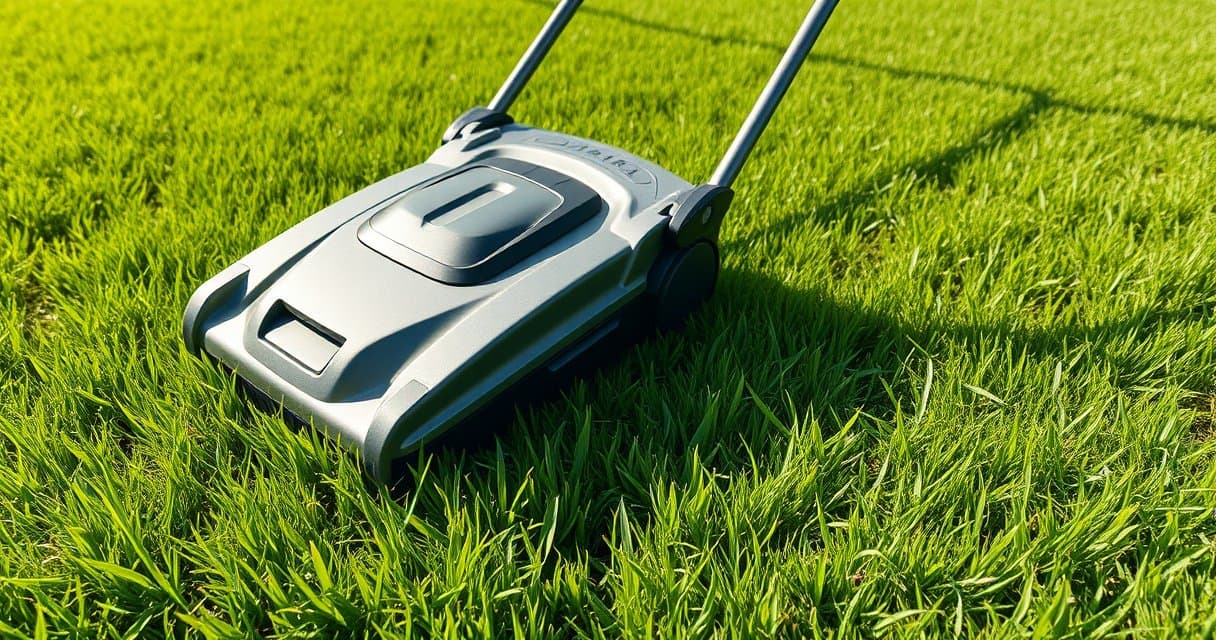
Tired of the power cord getting tangled everywhere and the finicky gas engine that refuses to start? Switching to a cordless lawn mower means gaining peace of mind for your lawn maintenance. It's a real game changer: more freedom, less noise, and always instant starting. Let's talk specifics to choose yours wisely.
Key Points to Remember
- Calculate the real runtime by multiplying the voltage (V) by the capacity (Ah) and aim for a safety margin of at least 1.5 times your lawn area.
- Prioritize a model offering all three cutting modes (mulching, bagging, side discharge) for total adaptability.
- Choose a battery compatible with other tools from the same brand for long-term savings.
- Consider the weight, cutting width, and an adjustable handle for daily comfort of use.
- Anticipate hidden costs by checking the availability and price of spare parts before purchase.
The First Criterion to Check: What Area Can You Mow on a Single Charge?
This is THE classic trap. Manufacturers advertise runtime in minutes, sometimes on newsprint, but in the reality of your garden, it's another story. Never rely on that value alone. A runtime of "40 minutes" might be enough for 300 m² of short lawn on flat ground, or drop to 200 m² if the grass is tall and dense. The real figure that matters is the area you can cover in one go.
To calculate it, three factors come into play: your battery, your terrain, and your mowing style.
Deciphering Battery Promises
Look at two things on the technical sheet: the voltage (Volts - V) and the capacity (Ampère-hours - Ah). Voltage is the power; 18V is for the smallest gardens, 36V is the serious entry-level, and 40V or 56V are the values for medium to large areas. Capacity is the fuel tank; a 36V 4Ah offers more energy than a 36V 2Ah. Multiply the two (V x Ah) to get an idea of the total energy in Watt-hours (Wh). A 36V 4Ah = 144 Wh. A 40V 5Ah = 200 Wh. The higher this number, the better.
Your Terrain, the Major Factor of Wear
This is where theory meets the ground. Here's how your garden consumes the battery:
| Type of Constraint | Impact on Autonomy | What This Means For You |
|---|---|---|
| Tall or Wet Grass | Reduction of 30% to 50% | The mower works harder. Mow more frequently, especially in spring. |
| Steep Slope | Reduction of 20% to 40% | The motor and you yourself are providing extra effort. |
| Collection Mode Activated | Reduction of 15% to 25% | The full bag weighs down the machine and the deck has to suck up the grass. |
Frankly, if your garden combines these difficulties, always aim for a battery larger than what your theoretical square meters suggest. It's better to have a margin and finish early than to have to stop three-quarters of the way through.
The Golden Rule to Avoid Mistakes
Take the actual area of your lawn (excluding flower beds, paths, etc.). If you have less than 200 m², a model equipped with a standard battery (around 36V 3-4Ah) might suffice, provided the terrain is simple. Between 200 and 500 m², aim for machines with batteries of at least 40V/5Ah, or better, a model supplied with two batteries that you can swap. Beyond 500 m², you need to look at the high-end range (56V, 7.5Ah and above) or seriously consider a second battery as an option.
My personal advice: calculate your area, then look for a mower whose advertised runtime covers at least 1.5 times that area. This will give you a nice safety margin for weeds, slopes, and will spare you the anguish of seeing the machine's lights blink while there's still a strip left to do.
Mulching, Collection, or Side Discharge: Which Cutting Mode for Your Routine?

It's not just about the finish. Your choice between these three systems determines how fast your mowing will be, how nutritious for the lawn, and how demanding for you in terms of cleanup. Some models do everything, others force you to choose. Let's see what really matches your habits.
Mulching: The Lazy (and Eco-Friendly) Gardener's Ally
This is my favorite for a healthy lawn with minimal effort. The mower cuts the grass into fine particles and redeposits them on the soil. This acts as a natural fertilizer, retains moisture, and limits weed growth. No bin to empty, no bag to drag around. It's ideal if you mow regularly (no more than one-third of the height each time) and you don't like the look of cut grass clippings on the lawn.
Be careful, however: in wet weather or if the grass is really too long, the system can clog and leave clumps of grass on the surface. Frankly, if you only mow twice a month in summer, mulching alone might not be enough.
Collection: For the Impeccable Look and Practical Uses
Do you prefer a lawn as neat as a green, or do you use your grass clippings for compost or mulching your flower beds? Then collection is for you. This requires a bin, often 40 to 60 liters on good models. Find out about the ease of emptying: a large opening and a flexible bin save precious time.
The downside is that it makes the machine heavier and reduces autonomy, as we've seen. And you have to plan for after mowing: either a well-managed compost heap or bags for the waste disposal center. For a 300 m² garden, a 50-liter bin can be full before you finish, forcing you to take one or two breaks to empty it.
Side Discharge: The Solution for Very Tall Grass or Neglected Lawns
Often forgotten, this function is nonetheless a major asset in certain situations. It projects the cut grass to the side, into an area you haven't mowed yet or into a flower bed. Why is it useful? Because it's the only mode that allows you to mow a meadow or reclaim a garden left abandoned for several weeks without the machine choking. You use side discharge for the first, very high cut, then you go over it again in mulching or collection mode for the final cut.
It's also practical if you have large areas and you rake up the grass afterwards. But in a small garden, the debris can land on your flower beds or the patio, which isn't very tidy.
So, How to Choose?
Ask yourself these questions:
- "I mow every week and I want to feed my lawn without effort." → Top priority to mulching. Make sure the model does it well (specialized deck, adapted blade).
- "I insist on a garden that is always neat and I make compost." → A model with a good collection bin is essential. Check its capacity.
- "My lawn is large, a bit wild, and I may have to cut tall grass." → Side discharge then becomes a very valuable safety feature. Opt for a model that offers it, in addition to the other two modes.
The ultimate? A mower that offers all three systems, with a simple deflector to operate. It will cost a bit more, but it offers you total adaptability in the face of the whims of the weather and your schedule.
Our Selection
Welcome to our "Our Selection" feature. This time, we are delving into the world of battery-powered lawnmowers, a rapidly growing category that promises to combine performance, autonomy, and quiet operation. For this edition, we have analyzed in detail a recent and promising model, dissecting its specifications and, most importantly, community feedback to provide you with as clear a picture as possible.
Here is a comparative overview of the model featured in this roundup:
| Product | Autonomy & Battery | Cut & Adjustment | Noise & Usage | Strengths & Limitations |
|---|---|---|---|---|
| FUXTEC E2RM43 | 40V System (2x20V) | 43 cm width, 25-75 mm height | Low noise level | + Battery flexibility / - Limited battery capacity |
FUXTEC Cordless Lawnmower 40V E2RM43
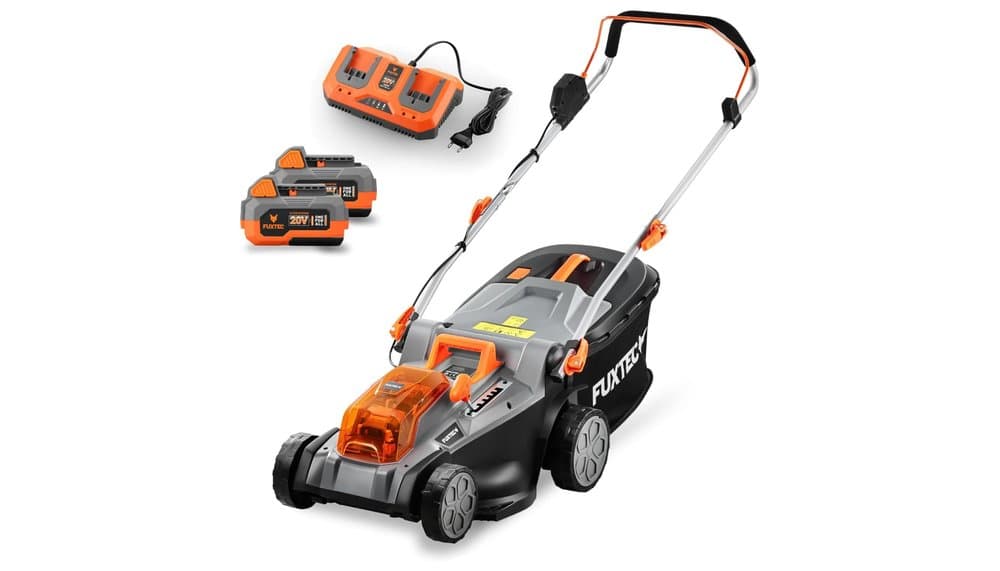
This cordless lawnmower from FUXTEC presents itself as an all-in-one solution for medium-sized gardens. On paper, the technical specifications are attractive: a 40V battery system achieved by coupling two 20V blocks, a cutting width of 43 cm, and a generous 40-liter collection bag. The modularity argument is strong, as these same 20V batteries are compatible with other tools in the FUXTEC range, an advantage for those looking to invest in an ecosystem.
According to user feedback, the strengths confirm several of the manufacturer's promises. The maneuverability and light weight (compared to petrol models) are widely praised, making the mower easy to push and steer, even in hard-to-reach corners. Its electric start is also a relief for users, who appreciate no longer having to pull a starter cord. The low noise level is another major advantage highlighted by the community, allowing for mowing early in the morning or late in the evening without disturbing the neighbors. Finally, the cutting quality, for grass of normal height and on a well-maintained lawn, is judged to be very satisfactory.
However, an honest analysis of the reviews also reveals concrete limitations. The main point of caution concerns autonomy. As is often the case with battery-powered tools, it is highly dependent on the nature of the lawn. On dense, tall, or damp grass, users note that autonomy can drop significantly, making the kit of two batteries sometimes just enough for a medium to large garden. This makes it a perfect tool for regular maintenance, but potentially limited for significant regrowth after a vacation, for example. Another point noted: although assembled only once, the initial assembly requires a bit of time and attention according to some comments. Finally, the 40L fabric bag, while practical, can sometimes let fine clippings through depending on the fineness of the cut grass.
Our analysis, based on these elements, is that the FUXTEC E2RM43 is a serious contender for those looking to leave petrol behind without worrying about a power cord. Its battery ecosystem is a smart argument. However, it requires a certain rigor in garden maintenance (frequent mowing) to fully benefit from its autonomy. It is an excellent mower for regular use on well-defined areas, but it could show its limits on very large or very neglected lawns.
To conclude, this selection highlights a product that embodies the contemporary advantages of cordless technology: lightness, quietness, and immediate ease of use. The FUXTEC E2RM43 is aimed primarily at the modern gardener, willing to adopt a regular mowing frequency to enjoy a more pleasant and less burdensome gardening experience. Its main strength is making the mower almost transparent in the routine, provided its autonomy matches the size and condition of your lawn.
Weight, Handlebar, and Width: The Keys to Effortless Mowing
You've found the perfect battery life and cutting mode? Great. But if the machine is too heavy to maneuver or doesn't fit between your rose bushes, you're going to hate it. These three physical criteria determine your actual fatigue and the finish of the job. Don't underestimate them.
Weight: The Difference Between a Chore and a Stroll
A cordless mower typically weighs between 10 and 25 kg, including the battery. The difference on the ground is huge.
- Around 10-14 kg: This is the realm of lightweight models, perfect for small flat gardens or terraces. If you have stairs to climb to store it, or if you're not very strong, aim for this range. They're a pleasure to lift.
- Above 18 kg: These are more powerful models with larger batteries, for large areas. But on a slope or uneven terrain, every kilo is felt by the end of the session. If your garden is sloped, mentally try pushing a 20 kg bag of cement in a straight line... then uphill. It's revealing.
My advice: the advertised weight is often without the battery. Mentally add 2 to 3 kg to get the real figure. It's a common trick in spec sheets.
Cutting Width: Time Gained or Lost
It's simple: the wider the blade, the fewer passes you make. But it's not always best.
- 36 cm or less: Ideal for winding gardens with many obstacles (shrubs, trees, flower beds). You navigate easily. The trade-off is that mowing 400 m² will take noticeably more time.
- 40 to 42 cm: The standard for medium-sized lawns (300 to 600 m²). It's the best compromise between maneuverability and efficiency.
- 46 cm and more: Reserved for large, open spaces. These machines are less agile in tight turns and require more storage space.
Think about the width of the narrowest passages in your garden (gate, path between two walls). You need at least 5 cm of margin on each side to maneuver comfortably.
The Handlebar: Your Point of Contact with the Machine
A good handlebar makes all the difference over time.
- Height adjustable: Non-negotiable. To avoid back pain, your arms should be slightly bent, not stretched down or pulled up high. If the whole family uses the mower, this is essential.
- Foldable: If you store it in a crowded garage or shed, this feature literally saves your space. Some models even fold into a compact vertical form.
- Integrated controls: Having the start button and safety lever under your hands, without having to let go of the handlebar, is a real plus for safety and comfort. Check their ergonomics.
For a sloped terrain, a handlebar with an ergonomic, foam-covered grip will save you from blisters. And frankly, a handlebar that squeaks or has play after a few uses is a sign of cost-cutting construction.
The Battery, Heart of the Machine: Understanding Voltage, Compatibility, and Lifespan

The battery is both the fuel tank and the engine of your mower. Choosing the right one ensures long-term performance and avoids rapid obsolescence. We go beyond the simple question of runtime here and delve into the technical aspects.
Voltage (V) and Amp-hour (Ah): What They Really Mean
Don't be blinded by a big "Ah" number alone. Power is about both.
- Voltage (V) is the "force" of the battery. An 18V mower might suffice for a small, well-maintained patch of lawn. For an average lawn with somewhat dense or damp grass, aim for 36V or 40V minimum. Below that, the machine will struggle, especially in mulching mode or in tall grass. High-end models go up to 80V for impeccable cutting.
- Amp-hour (Ah) is the capacity, the "size of the fuel tank." A 36V 2.5Ah battery is a small tank on a powerful motor: runtime will be short. A 36V 5Ah will give you much more leeway. It's like comparing a car engine with a small tank and a large tank.
Concrete example: A 40V mower with a 4Ah battery will generally have more power and last longer than a 20V with a 6Ah battery, despite a lower "Ah" number. The cutting torque will be better.
Compatibility: Your Future Wallet
This is THE strategic point many overlook, and it's a costly mistake. Batteries are the most expensive component to replace. Absolutely find out if the mower's battery is compatible with other tools from the same brand (hedge trimmer, blower, string trimmer). Investing in a tool ecosystem allows you to have just one or two batteries and several chargers. You save a fortune and simplify your life. Conversely, a proprietary battery that only works on one model makes you captive to the manufacturer for parts and replacements.
Extending Lifespan: The Right Practices
A Li-ion battery is expensive. To make it last 5 years or more, a few simple rules:
- Never fully drain it during use. Most mowers stop automatically before deep discharge, but avoid pushing it to the last blade of grass.
- Avoid extreme heat. Don't leave it in the mower in full sun after use. Store it in a temperate place.
- For winter storage (more than a month of non-use), charge it to about 50-60% and store it in a cool place (between 5°C and 15°C), not in a freezing or overheated garden shed. A light recharge every three months is beneficial.
- Always use the charger supplied by the manufacturer. An unsuitable charger can irreversibly damage the cells.
Frankly, a brand that doesn't communicate clearly about its battery compatibility or offers models with voltages too low for the average garden is a red flag. You deserve better than an underpowered machine.
Anticipating Maintenance and Long-Term Hidden Costs
Buying the mower is one thing. Knowing what it will cost you and require in terms of care in five years is another matter entirely. We're talking about the true cost of ownership. A cheap machine can become a money pit if parts are unavailable or prohibitively expensive.
Blade Sharpening: The Key to a Healthy Lawn
A dull blade guarantees a bad cut. Instead of slicing cleanly, it tears the grass blades. The tips of the blades turn white, the lawn is stressed and more vulnerable to disease. Frankly, it's like shaving with an old razor. It needs to be sharpened at least once per season, or even twice if your lawn is large or sandy. Also check its balance after sharpening. An unbalanced blade makes the whole machine vibrate and prematurely wears out the bearings. Some brands offer blades made of hardened steel that are much more resistant to impacts (stones, branches) – an investment that pays off over time.
Cleaning: A Quick Routine That Preserves the Machine
After each mowing, especially if the grass was wet or tall, take five minutes. It's crucial. Disconnect the battery. Turn the mower over (on its side, never on the blade housing!) and scrape off the grass residue stuck under the housing with a stick or brush. A clogged housing reduces suction and mulching quality. A wipe with a cloth on the handle and frame removes dew or sap. This simple action prevents corrosion and buildup that overloads the motor.
The Real Cost of Replacement: Parts and Availability
Before clicking "buy," do this little exercise. Go to the manufacturer's website or spare parts websites and look up the prices for:
- A new blade (€20 to €50 on average).
- A complete set of wheels (€40 to €80) – they wear out, especially on gravel paths.
- A new battery (this is the big one, often €150 to €300).
Ask yourself: in 4 years, will these parts still be available? Some brands have a very extensive parts network, others abandon models after a few years. A machine for which you can no longer find the battery is a high-tech paperweight. It's sometimes better to spend €100 more upfront on a brand known for durability and after-sales service.
Winter Storage: More Than a Formality
To put it to rest for the winter, it's not complicated but you need to be methodical.
- Clean it thoroughly, as described above, and let it dry completely.
- Remove the battery and store it as mentioned (charge at 50-60%, in a cool, dry place).
- If possible, store the mower in a place protected from frost and excessive humidity. An uninsulated garden shed, with temperature variations and condensation, is the enemy of electronic circuits and plastics.
- Lightly grease unpainted metal parts if you live by the sea.
Neglecting this risks finding a dead battery, deformed wheels, or oxidized contacts come spring. And there, your initial savings fly away on repairs. A good mower, well-maintained, can last you a decade.
Conclusion
In the end, choosing the best cordless lawn mower is making a bet on your future comfort.
Don't rush. Weigh the real battery life, feel its weight, check the parts availability. A suitable mower becomes a silent and reliable partner, season after season.
Take care of it, and it will take care of your lawn. It's as simple as that.
Frequently Asked Questions
What is the real battery life for a cordless mower on 500 m²?
For a 500 m² lawn, aim for a battery of at least 40V/5Ah (i.e., 200 Wh) or better, a model supplied with two batteries. This provides a sufficient safety margin for dense grass or slopes.
Mulching or collecting: which is better for my lawn?
Mulching is ideal for a healthy lawn and easy maintenance, while collecting is necessary for an impeccable look or to compost grass clippings. For total flexibility, choose a model offering all three modes (mulching, collecting, side discharge).
What battery voltage to choose for a powerful cordless mower?
For an average lawn with dense grass, a minimum voltage of 36V or 40V is recommended. Lower voltages (18V) are suitable for very small areas, while the high-end reaches 56V or 80V for high-performance cutting.
How to calculate the battery life of a cordless lawn mower?
Do not rely solely on the advertised minutes; estimate the energy in Watt-hours (Wh) by multiplying the voltage (V) by the capacity (Ah). A rule of thumb is to choose a mower whose theoretical battery life covers at least 1.5 times the actual area of your garden.
What cutting width for a cordless mower?
A width of 40 to 42 cm is the ideal standard for lawns of 300 to 600 m², offering a good compromise between maneuverability and efficiency. For small, winding gardens, favor 36 cm or less, and for large, open areas, opt for 46 cm and more.
How to maintain and store a cordless mower in winter?
Clean it thoroughly, remove the battery and store it charged at 50-60% in a cool, dry place. Store the mower itself in a location protected from frost and excessive humidity to safeguard its electronic components.
100% free and independent — All our articles are written independently, without any sponsorship. We may earn a commission on purchases made through our links, at no extra cost to you.
Guides you might like
Buying Guide: Choosing Your Thermal Brushcutter
Guide to choosing a thermal brushcutter: Compare 2-stroke vs. 4-stroke engines and harness types for effective clearing of brambles and sloped terrain.
Ultimate Guide to Gas Mowers
Petrol lawnmowers provide power & autonomy for large lawns over 500 m². Key features & selection criteria for your garden explained.
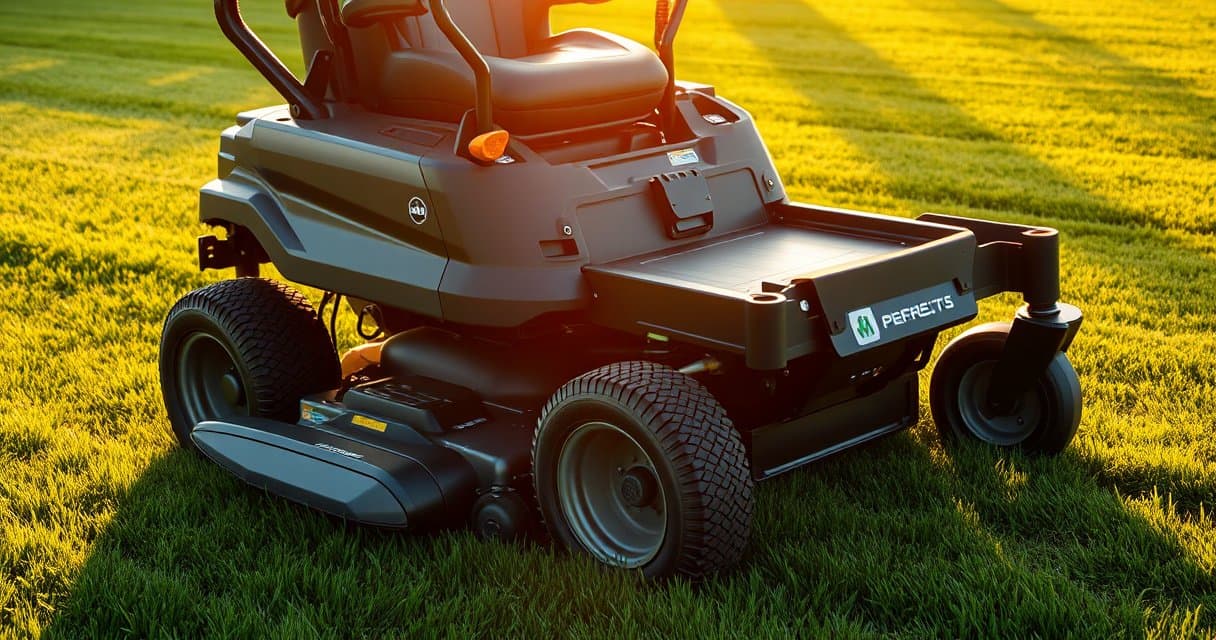
Choosing a self-propelled lawn tractor
Choose the perfect ride-on tractor for your garden. Key tips for size, slope, and model selection to turn mowing from a chore into a pleasure.
Articles you might like
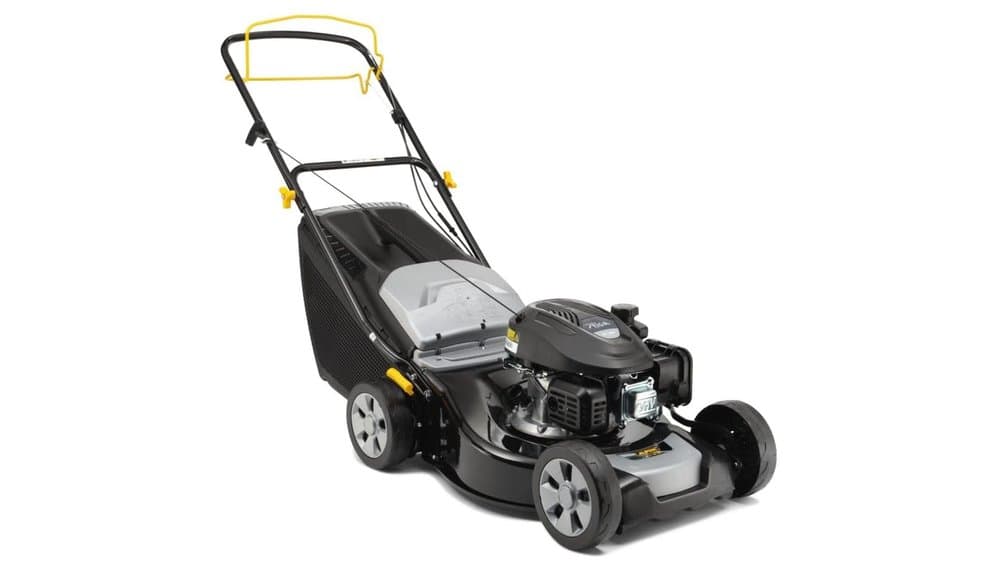
Alpina AL4 46 SA Petrol Lawnmower Review & Test
Alpina AL4 46 SA review: A robust, self-propelled petrol mower for medium to large gardens. We analyze its specs, performance, and user feedback.
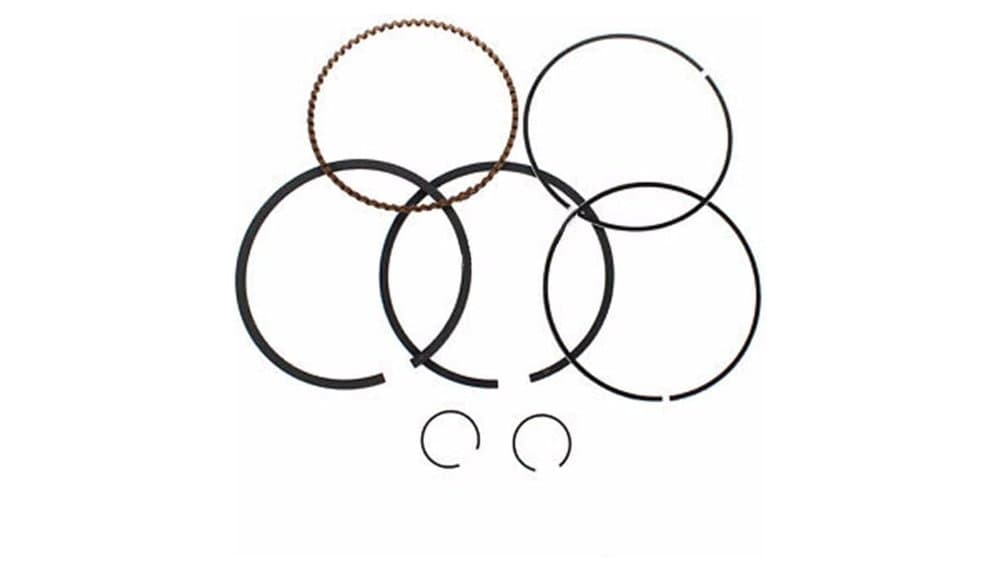
LIZONGFQ GX390 Engine Rebuild Kit Review
Restore performance: Rebuild your Honda GX390-type lawn mower engine instead of replacing the entire machine with cost-effective repair parts.
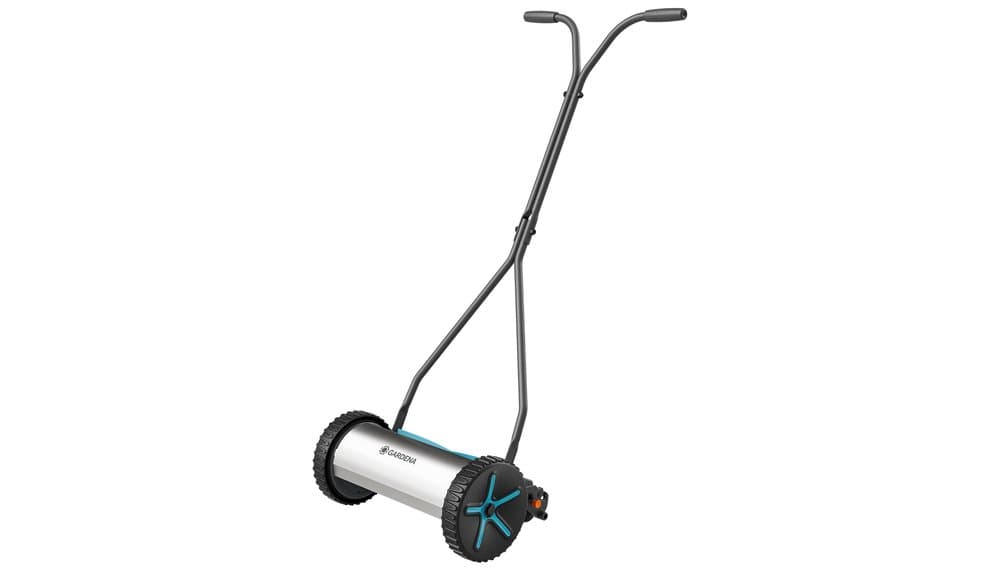
Gardena Comfort 330 Manual Lawn Mower Review and Test
No engine, no battery. This manual cylinder mower offers a quiet, eco-friendly cut for small lawns, delivering quality like an English green.