Fiskars Solid Spreader Garden Tool Review & Performance Test
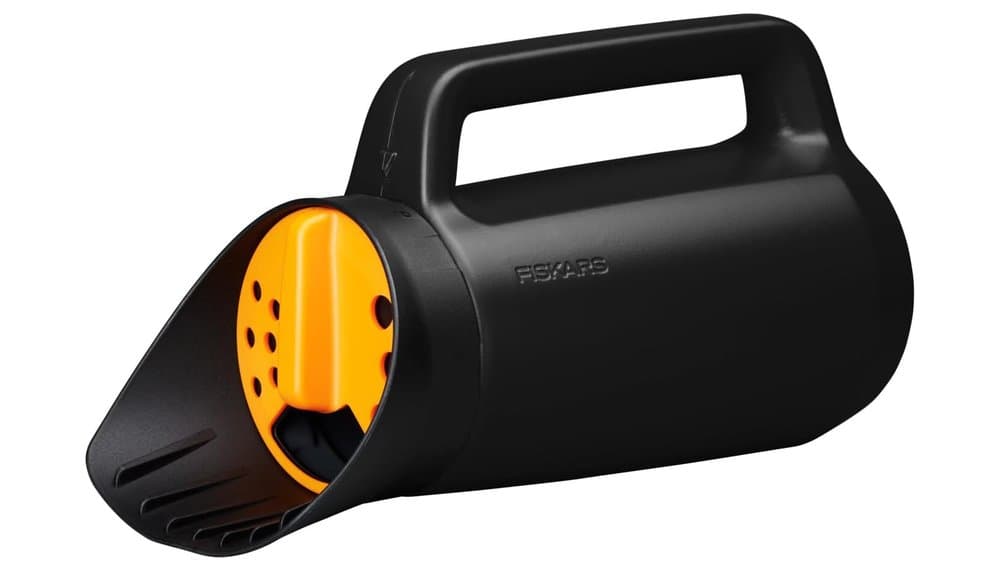
Analysis: The Fiskars Solid Spreader, a Precision Tool for Targeted Maintenance
Introduction
In the world of lawn and garden maintenance, precision is often the key to an optimal result, whether reseeding a bare patch, fertilizing a flower bed, or spreading sand on a pathway. In contrast to mechanical or electric spreaders often designed for large areas, there is a niche for manual precision tools. The Fiskars Solid Spreader fits into this category. Far from being a lawn mower or a robot, this accessory interests us here for its complementary role in a strategy of fine-tuned, controlled maintenance. We will dissect its characteristics, its strengths, and its limitations to determine if it deserves a place in your gardening arsenal.
Strengths
Based on user feedback and technical characteristics, several qualities clearly stand out.
- Remarkable Dosage Precision: This is its main asset. The rotary knob adjustment system allows a choice between three flow rates (pour, fast flow, or slow flow). Users emphasize that you can "spread exactly the desired amount and exactly where you want," which eliminates waste of costly products like fertilizers or fine seeds.
- Robustness and Build Quality: True to the Fiskars brand reputation, the spreader is described as solid, well-finished, and durable. The fiberglass-reinforced plastic material makes it lightweight (286 g), resistant to shocks and weather.
- Versatility of Use: Originally designed for sand, salt, or fertilizer, gardeners successfully use it for lawn seeding, granular fertilizers, or even bird feed. Its manual format makes it perfect for localized tasks.
- Ergonomics and Ease of Maintenance: The handle is considered comfortable. The "Easy-Lock" system allows for quick filling, and the fact that the head and body separate greatly facilitates cleaning after use, a crucial point to avoid corrosion or clogging.
Weaknesses
Despite its qualities, the product has limitations inherent to its concept.
- Limited Capacity for Large Areas: With a useful volume of approximately 2 liters (indicated by the gradation), it is clearly not suitable for spreading over vast lawns. As one user notes, for a 400 m² or larger area, "you spend your time refilling it." It is designed for targeted use.
- Manual Flow Rate Slower Than Hand Broadcasting: Some users, particularly for medium-sized granular fertilizers, find the spreading is slower than with the traditional hand-in-glove method. Its strength (precision) can be perceived as a disadvantage when speed is the priority.
- Dependent on Granule Size: Like any mechanical spreader, its effectiveness can vary with the size and shape of the granules. Very fine or very large products may flow less well.
Detailed Analysis
The Fiskars Solid Spreader is not a motorized tool, but its analysis from the perspective of lawn and garden maintenance is rich in lessons. We are here in the domain of lawn micro-management.
For Which Type of Gardener? This tool is ideal for the owner of a small or medium-sized garden, or for someone with a large area but who prioritizes localized interventions. It excels at tasks like reseeding damaged patches, applying starter fertilizer to a new sod patch, spreading lime or sand on a pathway, or maintaining borders and flower beds. For uniform maintenance of a 1000 m² lawn, a push or tow-behind spreader will be more appropriate.
Place in a Maintenance Routine Within a complete maintenance strategy, the Solid Spreader finds its place as a complement to more imposing machines. Imagine a robotic mower that maintains the cutting height, a traditional mower for the edges, and this spreader for precise fertilizer or seeding corrections. It meets a need for fine control that large-width machines cannot offer.
Quality and Durability The materials and design seem aligned with the Fiskars standard, known for its reliability. The one-piece fiberglass-reinforced plastic construction avoids rust problems and minimizes breakage risks. Feedback on longevity is positive, provided it is cleaned well after each use, especially with corrosive products like salt.
Technical Specifications
| Characteristic | Detail |
|---|---|
| Product Name | Fiskars Solid Spreader (Ref. 1057076) |
| Tool Type | Manual precision spreader |
| Length | 30 cm |
| Weight | 286 g |
| Main Material | Fiberglass-reinforced plastic |
| Color | Black/Orange |
| Dosing System | Rotary knob with 3 flow rate positions |
| Approximate Volume | 2 liters (graduated from 0.5 to 2L) |
| Features | Easy filling (Easy-Lock), Disassemblable for cleaning |
| Intended Uses | Fertilizer, seeds, sand, salt, bait |
What Users Say
An analysis of customer feedback (with an average rating of 4.6/5 across over 4700 reviews) reveals clear trends.
Recurring praise focuses on:
- Precision: This is the most acclaimed point. Users love being able to perfectly target an area without waste.
- Build Quality: Many emphasize the sturdiness, finish, and feeling of robustness for a plastic tool.
- Simplicity and Effectiveness: It is described as intuitive, easy to fill and clean.
The most frequent criticisms concern:
- Limited Capacity: Several reviews indicate that for large areas, the tool becomes tedious to use due to repeated refills.
- Spreading Speed: Some users prefer, for standard fertilizer granules, the speed of direct hand broadcasting.
- Packaging: An isolated but notable comment points out packaging disproportionate to the product's size.
The synthesis of expert reviews and forum discussions confirms this analysis: it is a niche tool, perfectly suited for precise and localized use, but not designed to be the primary tool for maintaining a large lawn.
Conclusion
The Fiskars Solid Spreader is not a revolutionary machine, but it is a remarkably well-designed garden accessory for what it does. It fills a gap between coarse hand broadcasting and investing in a mechanical spreader for large areas.
We recommend it without reservation for the meticulous gardener who wishes to apply localized care to their lawn, flower beds, or pathways. Its precision, robustness, and versatility make it a valuable ally for fertilization, overseeding, or winter product spreading tasks.
However, it should not be considered as the sole solution for maintaining a large lawn. In that case, it will be perceived as too slow and requiring too many refills. Its true power lies in control and application finesse, making it the ideal complement to a set of more motorized tools for a complete and professional maintenance of your green space.
100% free and independent — All our articles are written independently, without any sponsorship. We may earn a commission on purchases made through our links, at no extra cost to you.
Articles you might like
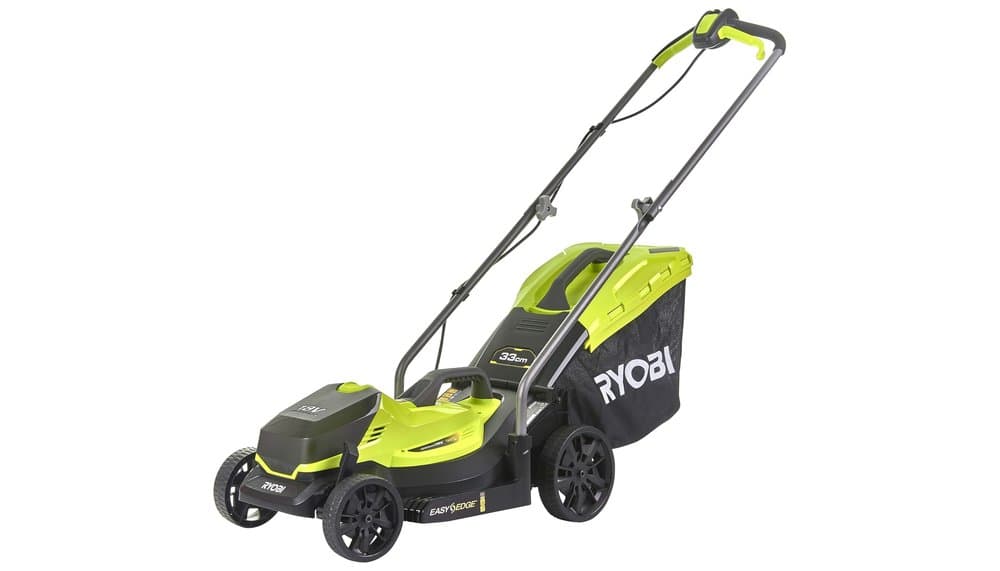
Ryobi One+ RLM18X33B40 18V Cordless Mower Review
RYOBI 18V cordless mower for small gardens, part of the ONE+ ecosystem using a universal battery compatible with over 200 tools.
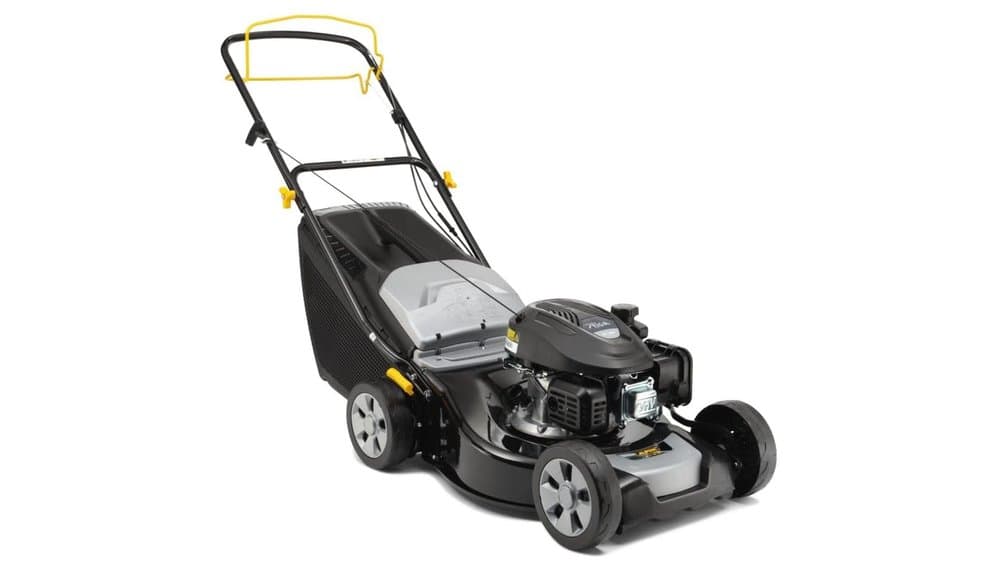
Alpina AL4 46 SA Petrol Lawnmower Review & Test
Alpina AL4 46 SA review: A robust, self-propelled petrol mower for medium to large gardens. We analyze its specs, performance, and user feedback.
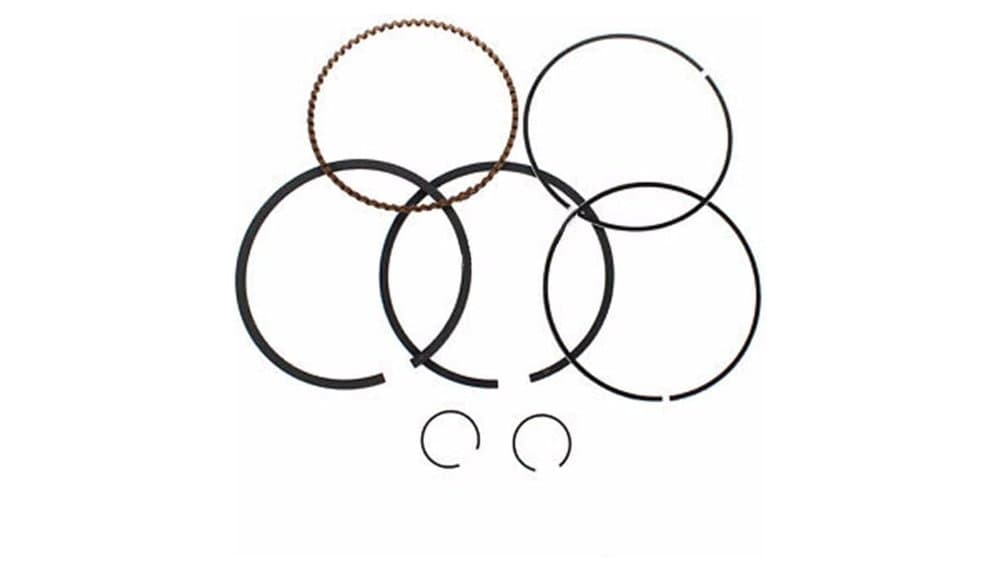
LIZONGFQ GX390 Engine Rebuild Kit Review
Restore performance: Rebuild your Honda GX390-type lawn mower engine instead of replacing the entire machine with cost-effective repair parts.
Guides you might like

Ultimate Guide to Gas Mowers
Petrol lawnmowers provide power & autonomy for large lawns over 500 m². Key features & selection criteria for your garden explained.
Buying Guide: Choosing Your Thermal Brushcutter
Guide to choosing a thermal brushcutter: Compare 2-stroke vs. 4-stroke engines and harness types for effective clearing of brambles and sloped terrain.

Wireless robotic lawn mower guide
Choose the perfect cordless robotic lawn mower. Learn to match battery life, cutting width, and your garden's layout for a flawless, hands-free lawn.