LawnMaster Autonomous Robot Mower Test with Charging Station
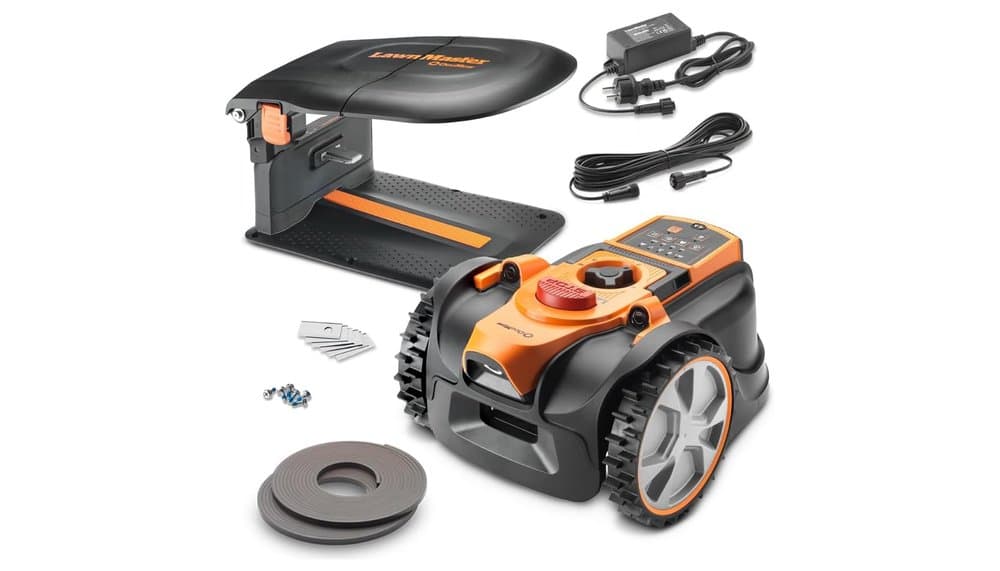
Complete Analysis of the LawnMaster Autonomous Robot Lawn Mower 18V with Station and Garage
The robotic lawn mower market has long been defined by a difficult choice: the freedom offered by models without a perimeter wire (RTK, vision) versus the proven installation simplicity and accuracy of models with a buried wire. The LawnMaster Autonomous Robot Lawn Mower 18V firmly positions itself in the first camp, with a clear philosophy: minimalist installation and immediate start-up. This article analyzes this machine from the perspective of a demanding gardener, dissecting its specifications, advertised performance, and community feedback to determine which type of lawn and user it is best suited for.
Strengths
The main argument for the LawnMaster 18V is its extremely simplified installation. With no wire to bury and no complex application to configure, commissioning is intended to be almost immediate. Its OcuMow Optical Navigation Technology system, using an HDR camera and ultrasonic sensors, promises autonomous garden mapping and effective obstacle avoidance. Delivery includes a protective garage, an element often optional from competitors, which protects the charging station and machine from the elements. Managing hard-to-reach areas is facilitated by the Drop and Mow mode, allowing the mower to be used as an autonomous handheld device on a secondary lawn without access to the station.
Weaknesses
Edge trimming performance is, according to tester feedback, this model's Achilles' heel. Vision-based navigation can lack absolute precision along paths or flower beds. The initial mapping process can be erratic in gardens with very complex terrain or extreme clutter, sometimes requiring several cycles to become optimal. Mulching with its three pivoting blades is effective but can leave visible residue if mowing is done on grass that is too tall or wet. The lack of a mobile application for remote monitoring and control is a notable shortcoming in the age of total connectivity, even if it aligns with the simplicity philosophy.
Detailed Component Analysis
The Cut and Chassis
The LawnMaster 18V uses a pure mulching system: grass is finely chopped and redeposited on the lawn as natural fertilizer. There is no collection or side discharge option. The cutting width is 16 cm, which is on the low end of average for a robot, implying a longer coverage time but better maneuverability in narrow passages.
Cutting height adjustment is manual across 5 positions, from 20 to 60 mm. This range covers most needs, from "green"-type short lawns to taller ornamental lawns. The cutting plate is made of reinforced plastic, a standard on this segment that reduces total weight (6.3 kg) but requires increased vigilance against impacts with hard obstacles.
Autonomy and Charging
The heart of the system is an integrated 18V 2.2Ah Lithium-Ion battery. On paper, the advertised runtime is about 90 minutes for a maximum area of 400 m². It is crucial to note that this runtime is highly dependent on terrain: a steep slope, dense or wet grass will significantly reduce it. Recharging is fast, advertised at 70 minutes, allowing several cycles per day if needed. The charging station, protected by its garage, must be plugged into an outdoor socket.
For secondary areas, the Drop and Mow mode is an intelligent workaround: charge the battery, place the robot in the center of the zone, and it works until its charge is depleted. This avoids moving the station but requires manual intervention.
Navigation and Intelligence
This is the centerpiece. The OcuMow technology relies on an HDR (High Dynamic Range) camera that scans the horizontal plane to identify grassy surfaces, and on two ultrasonic sensors to detect vertical obstacles over 5 cm. The robot moves forward on green areas, goes around or stops before obstacles. It does not follow a systematic pattern (spiral or lines) but an optimized random pattern, intended to uniformly cover the area over successive mowings.
The maximum permissible slope is 35° (or 19%). This value is adequate for common gradients but must be treated with caution on wet ground where wheel grip may be limited. The machine is equipped with tilt and lift sensors that immediately stop the blades, as well as a rain sensor for automatic return to the station.
Demarcation of no-go zones is done with supplied magnetic strips (2 x 5m). This is simple to lay temporarily (around a fragile flower bed, a pool), but less discreet and flexible than virtual demarcation via an application.
Noise, Durability, and Safety
Robotic lawn mowers are known for their low noise nuisance. Although no precise decibel level is provided, expert feedback describes it as relatively quiet, compatible with daytime use without disturbing the neighborhood.
The warranty is 2 years, which is the minimum standard. A question remains regarding the long-term availability of spare parts (blades, wheels, batteries), critical information often highlighted by the community.
Safety is ensured by a PIN code on the device's touch keypad, preventing unauthorized use, and by the various physical sensors. A notable and ethical point: the robot is designed to work only during daylight, thereby reducing risks for nocturnal small wildlife like hedgehogs.
What Users and Testers Say
A synthesis of available online analyses and community feedback paints a nuanced but directional picture.
Praise overwhelmingly focuses on ease of installation. The "plug and play" formula, without wires, appeals to those who dread excavation work or software configuration. Vision-based navigation is judged generally reliable for a standard-shaped lawn, and the ability to handle slopes up to 20% is confirmed. The inclusion of the garage is consistently cited as a real plus. Users also appreciate the Drop and Mow mode for isolated areas.
Criticisms focus on two aspects. First, edge precision: the mower often leaves a border of a few centimeters unmown along fixed obstacles, requiring occasional manual finishing. Second, in gardens with very rugged terrain or highly compartmentalized layouts, initial mapping can be less effective, leading to areas sometimes poorly covered during the first cycles. The absence of an application is regretted by tech enthusiasts even if understood within the product's logic.
Compared to a direct competitor like a Flymo EasiLife wire-based model, the consensus is that the LawnMaster sacrifices millimeter-precise edge trimming for incomparable installation freedom. It's a choice of use.
Summarized Technical Specifications
| Category | Specification |
|---|---|
| Max. Area | 400 m² |
| Navigation | Vision (OcuMow HDR Camera) + Ultrasonic |
| Demarcation | Magnetic strips (supplied) |
| Cutting Width | 16 cm |
| Cutting Height | 20 - 60 mm (5 settings) |
| Cutting System | Mulching (3 pivoting blades) |
| Battery | 18V 2.2Ah Li-Ion (integrated) |
| Runtime | ~90 min |
| Charge Time | ~70 min |
| Max. Slope | 35° (19%) |
| Modes | Random, Spiral, Drop and Mow |
| Sensors | Rain, Lift, Tilt, Ultrasonic |
| Safety | PIN code, blade stop when lifted |
| Weight | 6.3 kg |
| Warranty | 2 years |
| Included | Robot, Station, Garage, Magnetic strips |
Conclusion: For Which Gardener?
The LawnMaster Autonomous Robot Lawn Mower 18V is not a universal robotic mower. It is a machine that makes a strong trade-off: absolute simplicity versus total control.
It finds its ideal audience with:
- The owner of a small to medium-sized garden (up to 300-400m²) with reasonable terrain, looking for a "no-fuss" solution.
- Someone who categorically refuses to bury a perimeter wire.
- The less tech-savvy user, intimidated by complex applications, who just wants to take the machine out of the box and let it work.
- The gardener with multiple areas that could benefit from Drop and Mow mode.
On the other hand, it will be less suitable for perfectionists who demand perfect edge trimming without manual intervention, owners of very complex gardens with many low obstacles or slopes at the technical limit, and those who wish to control and monitor their robot from their smartphone.
In summary, this LawnMaster is an honest and coherent proposition. It delivers what it promises: automated mowing with minimal installation constraints. By accepting its few compromises, particularly regarding finishing, the user gains simplicity and flexibility. It's a robotic mower for those who want above all to save time, not for those seeking landscaper-level precision.
100% free and independent — All our articles are written independently, without any sponsorship. We may earn a commission on purchases made through our links, at no extra cost to you.
Articles you might like
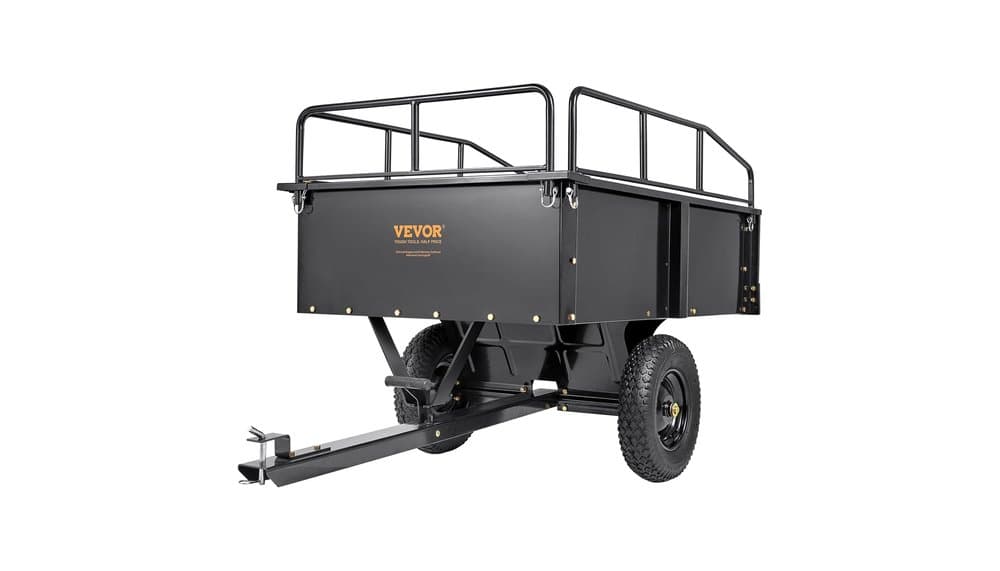
VEVOR BTC002C 340kg Dump Cart Test and Review
VEVOR dump trailer for lawn tractors & ATVs. Haul 340kg of clippings, soil, & yard waste. Essential tool for efficient green space cleanup & transport.
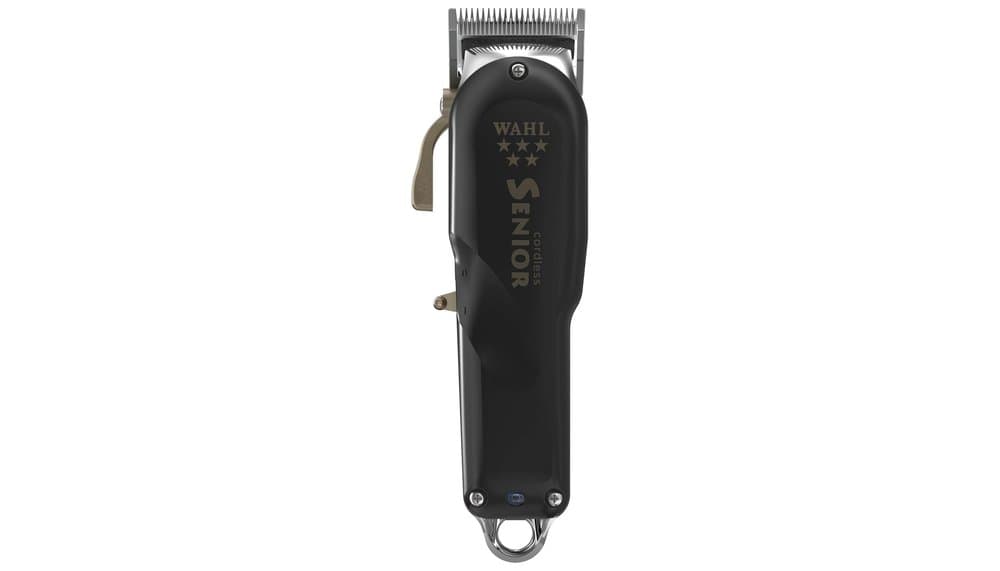
Wahl Cordless Senior Hair Clipper Review
Professional clipper analysis: Wahl Senior Cordless offers pro-grade performance, reliability, and battery-powered freedom of movement for precise cutting.
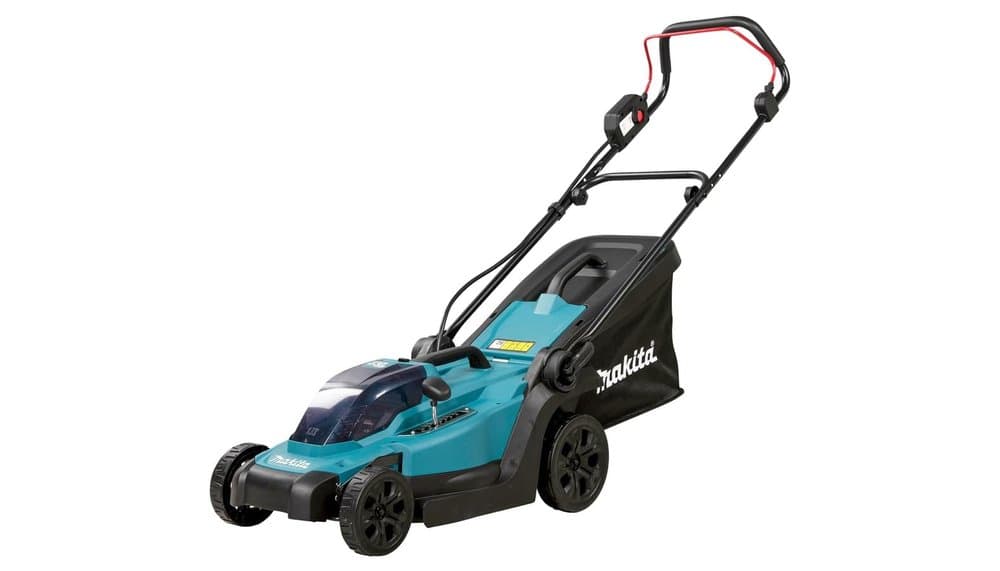
Makita DLM330Z 33 cm Cordless Lawn Mower Review
Wireless 18V mower for small gardens: lightweight, efficient & quiet. Ideal for patios & urban spaces. Makita DLM330Z review.
Guides you might like

Ultimate Guide to Gas Mowers
Petrol lawnmowers provide power & autonomy for large lawns over 500 m². Key features & selection criteria for your garden explained.
Buying Guide: Choosing Your Thermal Brushcutter
Guide to choosing a thermal brushcutter: Compare 2-stroke vs. 4-stroke engines and harness types for effective clearing of brambles and sloped terrain.

Wireless robotic lawn mower guide
Choose the perfect cordless robotic lawn mower. Learn to match battery life, cutting width, and your garden's layout for a flawless, hands-free lawn.