VEVOR Hydraulic Riding Mower Jack Review & Test

Introduction: Elevating Your Riding Mower Maintenance
In the world of mechanized gardening, riding mower maintenance is a task as necessary as it is often tedious. Crawling under the machine to clean the deck, sharpen a blade, or check a belt frequently feels like an obstacle course. Traditional car jacks are unstable, and ramps offer a limited working angle. This is precisely the problem the VEVOR Hydraulic Ride-on Mower Lift Jack aims to solve. It is a mobile hydraulic lift designed specifically to lift the front (or rear) of riding mowers and small garden vehicles. In this analysis, we will dissect this workshop tool, examining its technical promises, its real-world performance based on user feedback, and its practical utility for maintaining a fleet of mowing equipment.
Key Strengths
- Simplified Hydraulic Lifting: The hydraulic cylinder system allows lifting a load of up to 225 kg with minimal manual effort, a notable advantage over screw-type models.
- Robustness and Stability: The carbon steel structure and wide base equipped with non-slip pads inspire confidence for safe work.
- Adjustable Compatibility: The adjustable arms (4 positions on each side) adapt to a wide range of tire track widths, fitting most riding mowers and ZTR mowers on the market.
- Time Savings and Ergonomics: It allows direct and clear access to the cutting deck without disassembly, revolutionizing tasks like blade change or de-clogging.
- Optimized Mobility and Storage: Its casters and foldable design make it a mobile tool in the workshop and easy to store against a wall.
Weaknesses
- Criticized Assembly Instructions: A notable portion of user feedback points to the poor quality of the assembly manual, which can lead to a long and laborious installation.
- Compatibility Must Be Verified: Although adjustable, the width range (approximately 103 to 122 cm) may not fit all models, especially the most compact or the widest ones.
- Stability Conditioned by the Ground: Like any lift, its use requires a perfectly flat and hard surface; on loose or uneven ground, it may tend to slip when the mower is driven on.
- Lack of Long-Term Feedback: As a relatively new product on the market, data on its long-term durability (particularly of the hydraulic cylinder seal) is still scarce.
Detailed Analysis of the VEVOR Hydraulic Ride-on Mower Lift Jack
This product does not directly relate to a mower's cutting characteristics (mulching system, cutting width, etc.), but it directly impacts the ease and quality of its maintenance, a crucial parameter for the longevity and performance of any machine. Let's analyze it from the end-user's perspective, whether they are a property owner maintaining a large area with a tractor or an average garden owner equipped with a riding mower.
Who is this tool for? It primarily targets owners who perform routine maintenance on their own equipment. In a context where specialized workshops charge high labor rates for basic interventions, this investment can quickly pay for itself. It is particularly relevant for those who sharpen or replace their blades several times per season, regularly clean the deck clogged with wet grass, or need to access pulleys and belts. For a small urban garden where a push electric mower is sufficient, this tool is oversized. On the other hand, for a half-hectare or larger property requiring a robust machine, it becomes a valuable assistant.
Construction and Safety: Solid, but Under Conditions On paper, the specifications announce robust construction: carbon steel, apparently quality welding, and a weight of 23.8 kg that indicates substance. Testers and users confirm this impression of solidity. Safety is reinforced by mechanical locking via pins, allowing the platform to be locked at three different heights. This dual safety (hydraulic + mechanical) is essential for working with peace of mind. However, the community insists on one point: optimal stability is only achieved on a perfectly flat concrete or asphalt surface. Some users report that the device can slide back slightly when the mower is driven onto the arms. A simple trick, reported by testers, involves blocking the casters with a piece of wood to prevent any movement.
Hydraulics vs. Mechanics: The Choice of Ease VEVOR offers different models, including a screw-type one. The choice of the hydraulic version analyzed here is strategic. It offers faster and much less tiring lifting than a manual screw system, especially near the maximum load. The maximum lifting height of 66 cm is more than sufficient to work comfortably, even with a workshop stool. Feedback is unanimous on this point: once correctly installed and "bled" (a cylinder preparation step noted in the manual), the lifting is smooth and efficient.
Compatibility: A Promise to Verify Concretely The claim of universal compatibility should be nuanced. The adjustable arms cover a wide range, but it is imperative to measure the outer tire spacing of your mower before purchasing. For very wide machines (some ZTR models) or very compact ones, there may be doubt. The 225 kg load capacity, however, is suitable for the vast majority of consumer riding mowers and small garden tractors.
Technical Specifications
| Feature | Detail |
|---|---|
| Tool Type | Mobile hydraulic lift for riding mower |
| Maximum Load Capacity | 225 kg / 500 lbs |
| Maximum Lift Height | 66 cm / 25.9 inches |
| Lifting Mechanism | Manual hydraulic cylinder |
| Adjustable Width | Approximately 103 to 122 cm (40.4" to 48.2") |
| Construction Material | Carbon Steel |
| Safety System | 3-height pin locking |
| Mobility | 4 casters |
| Storage | Foldable design |
| Tool Weight | 23.8 kg |
| Color | Orange |
What Users and the Community Say
The synthesis of customer reviews and online discussions reveals overall high satisfaction, but with specific recurring pitfalls.
The recurring positive points revolve around the transformation of the maintenance experience. Users talk about a product that is "very practical," "solid," and "saves a ton of time." Many highlight the finish as "good quality for the price" and the comfort it brings for previously arduous tasks. Mobility thanks to the casters and ease of storage are also highly appreciated. An American tester details: "After bleeding the cylinder as instructed, it lifted my mower effortlessly. I only needed the first pin position to get full access to the blade."
The points of caution or negatives are fewer but very specific. The main complaint concerns the instruction manual, described as unclear, with poor-quality diagrams. Several testimonies, including a French one, indicate spending "3 days assembling it correctly" because of this. Next, a few users note the necessity of properly securing the device when driving the machine onto it to prevent it from rolling. Finally, there is a lack of multi-year feedback; the community has not yet been able to assess the long-term reliability of the hydraulic cylinder seal, although the VEVOR brand is generally recognized for its value-for-money in tools.
Conclusion
The VEVOR Hydraulic Ride-on Mower Lift Jack positions itself as a very convincing and cost-effective solution for anyone wishing to regain control over their riding mower maintenance. It fills a real gap in the workshop of the serious hobbyist or the small landscaping professional. Its main asset is to combine robustness, safety, and ergonomics at a price that seems competitive.
However, it is not magic and requires a methodical approach: prior verification of your machine's dimensions, installation on suitable ground, and a good dose of resourcefulness to decipher the assembly manual. Those looking for a "turnkey" and perfectly documented solution might be initially frustrated.
In the end, if you regularly perform under-deck maintenance on your machine and are tired of working on your hands and knees, this lift represents a logical investment. It transforms a chore into a simple, fast, and above all safer operation, which, in the realm of even light mechanics, is priceless. User feedback confirms that once the assembly hurdle is overcome, it is a tool that delivers on its promises and quickly becomes indispensable.
100% free and independent — All our articles are written independently, without any sponsorship. We may earn a commission on purchases made through our links, at no extra cost to you.
Articles you might like
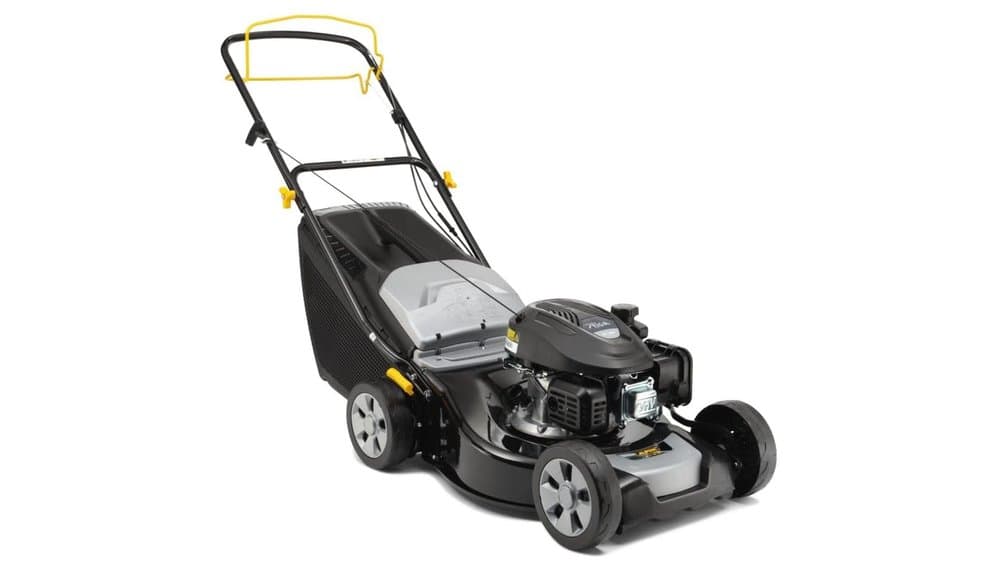
Alpina AL4 46 SA Petrol Lawnmower Review & Test
Alpina AL4 46 SA review: A robust, self-propelled petrol mower for medium to large gardens. We analyze its specs, performance, and user feedback.
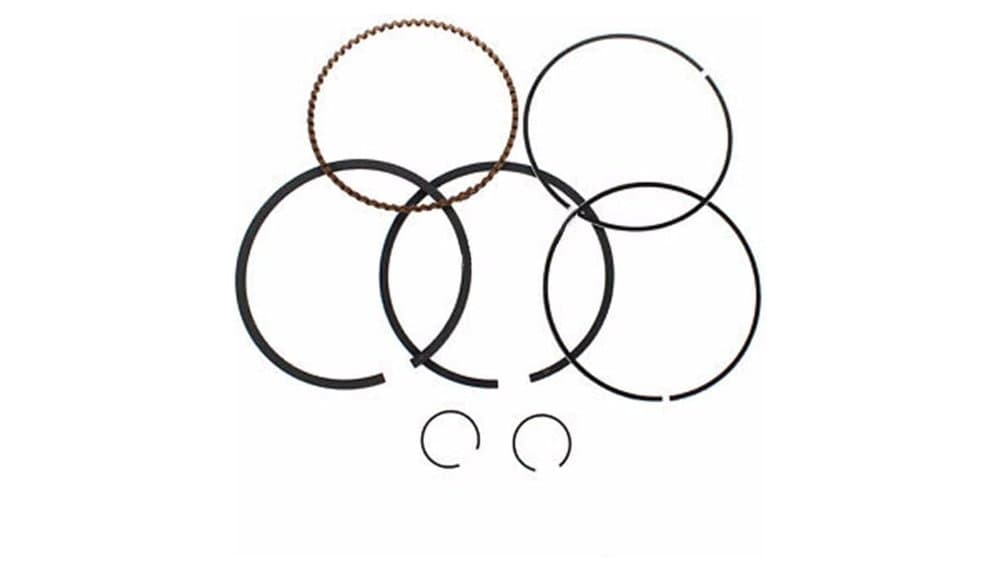
LIZONGFQ GX390 Engine Rebuild Kit Review
Restore performance: Rebuild your Honda GX390-type lawn mower engine instead of replacing the entire machine with cost-effective repair parts.
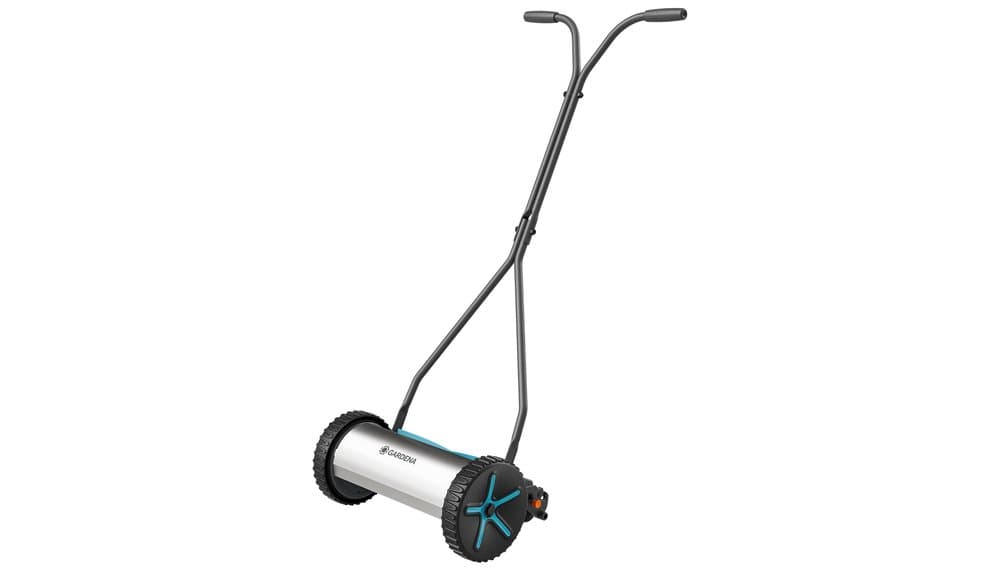
Gardena Comfort 330 Manual Lawn Mower Review and Test
No engine, no battery. This manual cylinder mower offers a quiet, eco-friendly cut for small lawns, delivering quality like an English green.
Guides you might like

Ultimate Guide to Gas Mowers
Petrol lawnmowers provide power & autonomy for large lawns over 500 m². Key features & selection criteria for your garden explained.
Buying Guide: Choosing Your Thermal Brushcutter
Guide to choosing a thermal brushcutter: Compare 2-stroke vs. 4-stroke engines and harness types for effective clearing of brambles and sloped terrain.

Wireless robotic lawn mower guide
Choose the perfect cordless robotic lawn mower. Learn to match battery life, cutting width, and your garden's layout for a flawless, hands-free lawn.