WORX Landroid Plus WR167E Robotic Lawn Mower Review
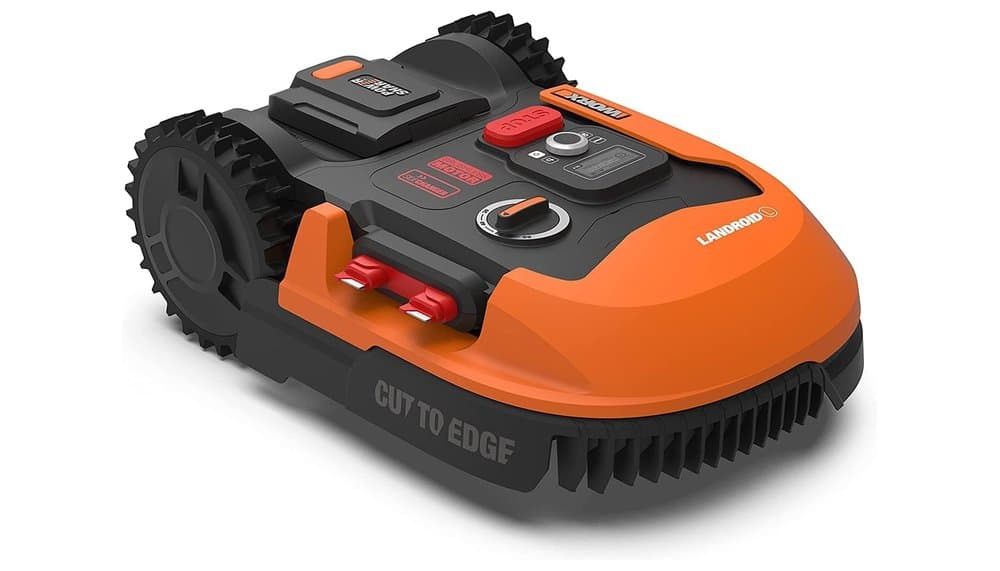
Introduction
In the world of robotic lawnmowers for family gardens, the WORX Landroid Plus WR167E positions itself as a leading accessible option for lawns up to 800 m². Its main selling point? Freeing the user from the chore of mowing while promising intelligent, connected lawn management. This model belongs to Worx's "Plus" range, distinguished by advanced software features and comprehensive connectivity. Through this analysis, we will dissect its technical promises, its real-world performance based on community feedback, and its positioning relative to the concrete needs of lawn maintenance.
Strengths
Several features of the WORX Landroid Plus WR167E stand out as significant advantages for the modern gardener.
- Autonomy and Elimination of Mowing Chores: Its fully automated operation, schedulable via the app, is its primary benefit. It enables regular mowing and mulching, eliminating manual work and green waste management.
- Improved Navigation and Edge Management: Equipped with AIA (Artificial Intelligence Algorithm) technology and the Cut-To-Edge system, it can theoretically handle narrow passages and mow very close to obstacles, reducing the need for manual trimming.
- Advanced Connectivity and Customization: Wi-Fi and Bluetooth connectivity, paired with the dedicated app, offers complete remote control and monitoring. The platform is also modular, with optional accessories like the ACS anti-collision module or the Off-Limits system for creating wireless no-go zones.
- Integration into the PowerShare Ecosystem: Its 20V battery is compatible with over 200 tools in the WORX range, a notable advantage for users already invested in the system, allowing for battery sharing.
Weaknesses
Despite its strengths, certain limitations are frequently highlighted by users and must be considered.
- Dependence on Proper Ground Preparation: Like most boundary wire-guided robots, the WR167E requires a well-maintained and relatively "clean" garden. Holes, steep slopes, protruding roots, or forgotten toys are common sources of robot blockages or safety stops.
- Occasionally "Dumb" Behavior with Obstacles: Even with AIA technology, some user reports indicate the robot can stubbornly push against certain low or oddly-shaped obstacles (flower pots, garden chairs) instead of intelligently navigating around them, requiring manual intervention.
- Longevity and Reliability Concerns: Questions remain about the durability of electronic and plastic components against weather and daily use over several seasons, compared to a traditional mechanical mower.
- Dependence on Precise Wired Installation: The robot's performance and autonomy are directly linked to the quality of the boundary wire installation. A sloppy installation can lead to erratic behavior, blockages, or premature battery wear.
Detailed Analysis of the WR167E
Let's scrutinize the technical aspects important to any lawn-conscious owner.
Cutting System and Mowing Quality The WORX Landroid Plus WR167E features an exclusive mulching system. It neither collects nor discharges grass; it cuts it finely and redeposits it on the soil as natural fertilizer. This method requires very regular mowing to be effective and avoid smothering the lawn. Its rotating cutting disc is floating, allowing it to better adapt to ground contours and ensure a more even cut even on uneven terrain. The cutting width is 18 cm, standard for this surface category. The cutting height is manually adjustable across 3 positions, between 3 and 6 cm, a range suitable for most ornamental and family lawns. The chassis material is primarily reinforced plastic, making it lightweight (9.4 kg) and corrosion-resistant.
Navigation and Terrain Management Navigation relies on boundary wire guidance. The user must install the supplied cable (180 m) to delineate the working area. This is a crucial step requiring care and patience. Once this virtual boundary is set, the robot uses its AIA algorithm to cover the area in a random yet methodical pattern. It is advertised as capable of handling slopes up to 35%, a respectable performance for a sloped garden. The integrated rain sensor is a real plus: it commands a return to the station in wet weather, preventing soil compaction or lawn damage. Managing multiple zones is possible via the app, but it involves creating physical passages (with double wire) for the robot to cross—a configuration that, according to some feedback, can be tricky.
Autonomy, Recharging, and Application The 20V 4.0 Ah Lithium-ion battery is designed to cover up to 700 m². In reality, effective autonomy greatly depends on terrain complexity (slopes, obstacles). When the battery is low, the robot automatically returns to its charging station and then resumes work where it left off. The Landroid app is the control center. It allows scheduling mowing times, defining zones, monitoring the robot's status in real-time, and receiving notifications. Compatibility with Alexa and Google Assistant (via an optional module) adds a layer of voice control. The advertised 67 dB noise level is indeed very discreet, making it perfect for early morning or evening use without disturbing the neighborhood.
Technical Specifications
| Category | Specification WORX Landroid Plus WR167E |
|---|---|
| Recommended Max. Area | 700 m² (up to 800 m² max) |
| Navigation Type | Boundary Wire Guidance + AIA Algorithm |
| Cutting System | Mulching (no collection box) |
| Cutting Width | 180 mm (18 cm) |
| Cutting Height | 30 to 60 mm (manual adjustment, 3 positions) |
| Advertised Max. Slope | 35% |
| Motorization | Not specified (20V battery) |
| Battery | 20V, 4.0 Ah Lithium-ion (PowerShare) |
| Charging Time | Depends on supplied 1.5A charger |
| Weight | 9.4 kg |
| Noise Level | 67 dB |
| Connectivity | Wi-Fi, Bluetooth, Dedicated App |
| Special Features | Rain sensor, floating cutting disc, Cut-To-Edge |
| Warranty | 3 years (2 + 1 upon registration) |
| Parts Availability | 10 years (advertised by manufacturer) |
What Users Say
Synthesizing hundreds of customer reviews and forum feedback paints a nuanced but overall positive picture of the WR167E, with recurring points of caution.
Recurring Positive Points:
- Relatively simple installation for a wire-based system, with a complete kit (cable, pegs, connectors).
- Very quiet operation, appreciated in residential areas.
- Considerable time saved once the robot is broken in and the terrain is prepared. The lawn, mowed very regularly, is always impeccable and denser.
- Connectivity via the app generally works well for programming and monitoring the robot.
- Mulching is effective and eliminates green waste management.
Frequent Negative Points and Criticisms:
- Sensitivity to ground irregularities is the most cited drawback. The robot can get stuck on roots, in depressions, or under low obstacles like garden chairs, requiring regular "rescues."
- Navigation intelligence (AIA) is sometimes questioned. Several users report illogical behaviors, such as persistently pushing against an obstacle instead of navigating around it, or having difficulties in complex areas.
- The app can be buggy or slow to update the robot's status, according to feedback.
- Concerns are expressed about the long-term robustness of certain components (wheels, sensors) and about after-sales service.
The Ideal Profile: According to the community, this robot excels for a single, relatively simple-shaped, already well-maintained garden without major traps. In such conditions, it radically transforms the mowing experience.
Conclusion
The WORX Landroid Plus WR167E is a convincing robotic mower that brilliantly fulfills its primary mission: freeing the user from the chore of mowing and maintaining a lawn regularly and ecologically through mulching. Its major strengths are advanced automation, useful connectivity, and integration into a tool ecosystem for Worx DIYers.
However, it is not a magical or universal solution. Its success is conditional upon meticulous garden preparation and a flawless boundary wire installation. It requires a "cooperative" terrain without traps. Its navigation intelligence, though improved, can show limitations with complex configurations.
Our Verdict: The WORX Landroid Plus WR167E is an excellent choice for an owner with a family garden up to 700 m², of fairly simple shape, and willing to invest time in careful setup. For those who meet these criteria, it represents a worthwhile investment in time and comfort. On the other hand, for a very uneven, fragmented, or obstacle-strewn terrain, its limitations could quickly become frustrating and require closer supervision than desired.
100% free and independent — All our articles are written independently, without any sponsorship. We may earn a commission on purchases made through our links, at no extra cost to you.
Articles you might like
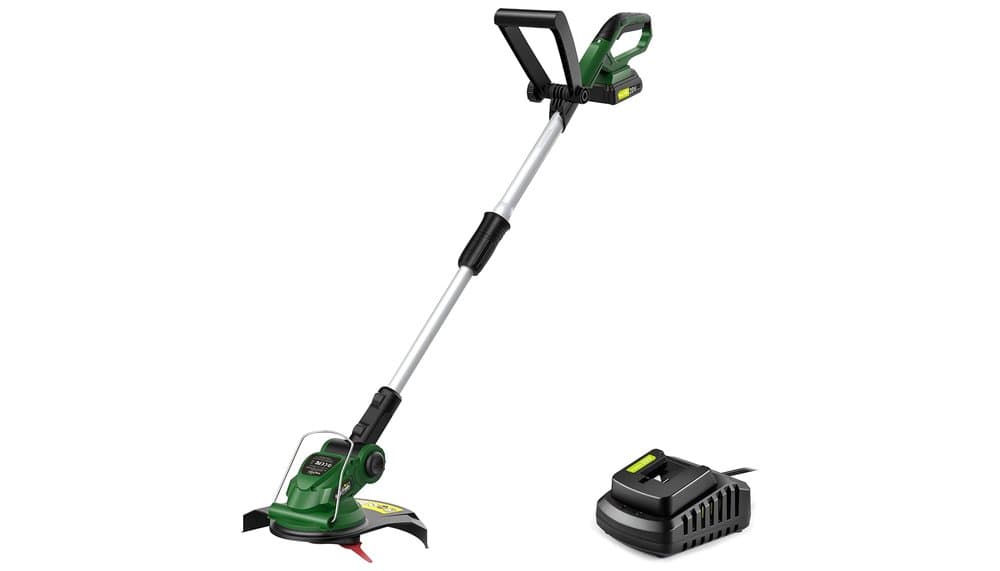
SnapFresh Rotofil 2-in-1 Cordless Brushcutter & Trimmer
Switch from edger to brushcutter mode instantly with this lightweight, cordless tool for precise trimming and heavy-duty cutting.
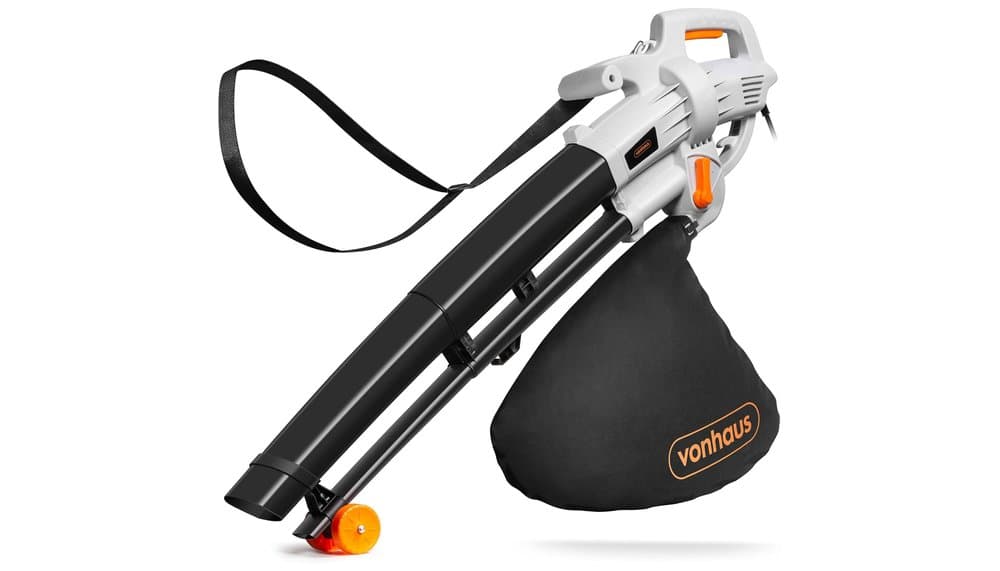
VonHaus 3000W Leaf Blower Vacuum Cleaner Review & Test
Analyze the VonHaus 3000W corded 3-in-1 garden tool's specs for blowing, vacuuming, and shredding autumn leaves. Includes expert reviews and user feedback.
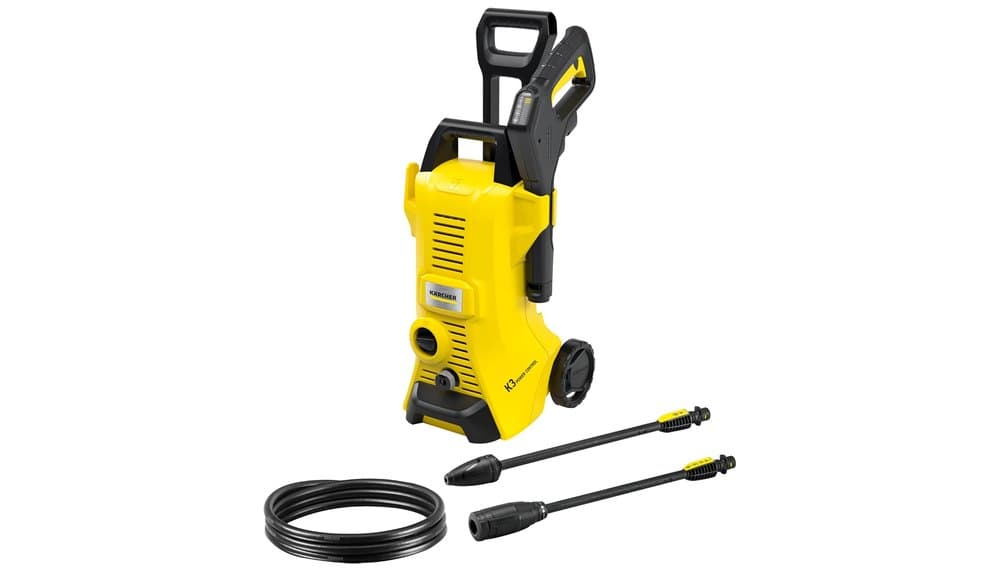
Kärcher K 3 Power Control Pressure Washer Review
Kärcher K 3 Power Control pressure washer review: analyzing this entry-level model's performance, power, and versatility for home outdoor cleaning tasks.
Guides you might like

Ultimate Guide to Gas Mowers
Petrol lawnmowers provide power & autonomy for large lawns over 500 m². Key features & selection criteria for your garden explained.
Buying Guide: Choosing Your Thermal Brushcutter
Guide to choosing a thermal brushcutter: Compare 2-stroke vs. 4-stroke engines and harness types for effective clearing of brambles and sloped terrain.

Wireless robotic lawn mower guide
Choose the perfect cordless robotic lawn mower. Learn to match battery life, cutting width, and your garden's layout for a flawless, hands-free lawn.