WORX Landroid Vision WR202E Robot Mower Test
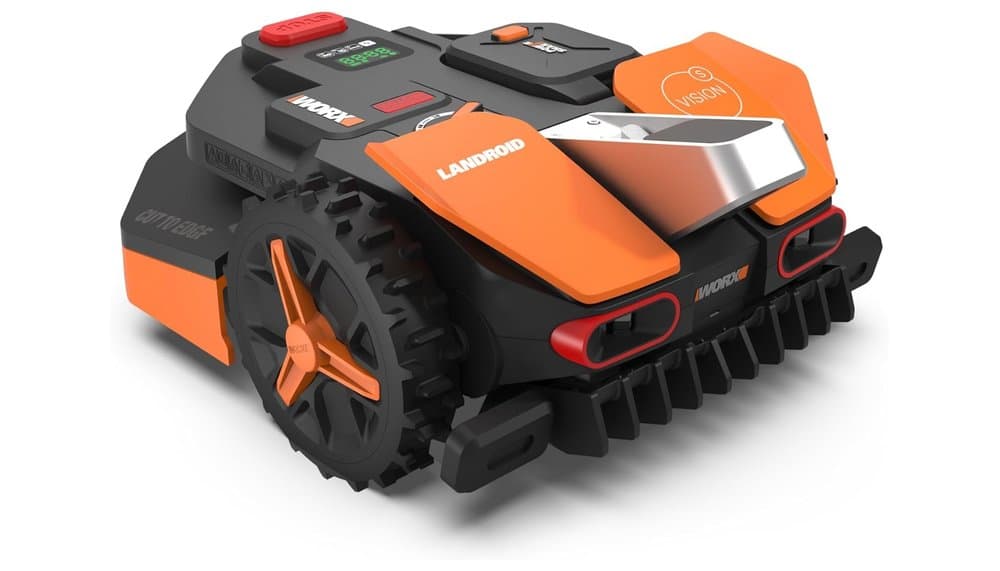
Analysis of the WORX Landroid Vision WR202E: Is the "Seeing" Robotic Mower the Ultimate Solution?
In the constantly evolving world of robotic lawnmowers, the arrival of a wire-free perimeter model was eagerly awaited. The WORX Landroid Vision WR202E positions itself as a pioneer, promising to revolutionize lawn care through artificial intelligence and computer vision navigation. But does this technological promise hold up in the field? We analyze this product based on its technical specifications, community feedback, and tester observations.
Strengths: The Wireless Revolution and Embedded Intelligence
The main selling point of the Landroid Vision WR202E lies in its fully autonomous navigation. Gone is the tedious boundary wire to bury. The robot uses a 4K camera and an adaptive Artificial Intelligence system to map its environment and distinguish the lawn from obstacles. This freedom of installation is a major step forward, especially for gardens with complex shapes or for users reluctant to do groundwork.
Testers point out that this approach generally works well once the learning phase is over. The robot is able to avoid obstacles proactively, from garden furniture to pets, and benefits from over-the-air (OTA) software updates to continuously improve its capabilities.
Its cutting system also deserves attention. It inherits the "Cut-to-Edge" technology, allowing it to mow right up to edges, thereby reducing manual finishing work. With an 18 cm cutting width and a manually adjustable height from 30 to 60 mm, it suits most residential lawns. Its ability to handle slopes up to 30% and its IPX5 waterproof rating allow it to operate in light rain.
Integration into the WORX PowerShare ecosystem is a practical asset. The included 20V/2Ah battery is compatible with over 200 tools from the brand, offering interesting versatility for other gardening tasks.
Weaknesses: The Limits of a Learning Intelligence
Despite its innovations, the Landroid Vision WR202E reveals weaknesses that temper the enthusiasm. The initial exploration phase ("Mapping Run") is criticized by many users. It can be long, erratic, and the robot sometimes shows difficulties in handling imperfect gardens. As noted by one frustrated user, the robot can "try to push walls" or get stuck under vehicles, calling into question the effectiveness of its camera in certain scenarios.
Multi-zone management is another critical point. While the concept is appealing on paper (using RFID tags to define zones), its implementation turns out to be complex and unreliable according to feedback. One user notes that the "passages to go to the other zone: forget it right away, it doesn't work."
Finally, dependence on ambient light is a constraint. For mowing at night – an advantage often sought for its discretion – purchasing an optional LED accessory (at a significant cost) is mandatory. Without it, the robot stops with an "insufficient lighting" error.
Detailed Analysis: Performance, Usage, and Comparison
Navigation and Installation
Unlike perimeter wire or RTK robots, the Vision relies on pure visual mapping. Testers confirm that installation is theoretically simpler, but the calibration phase is crucial and can be problematic if the garden presents challenges (steep slopes, low obstacles, very tall grass). The promise of a "30-minute" installation must be nuanced; it may require more time and patience for an optimal result.
Cutting and Lawn Maintenance
The mulching system (fine cutting and returning grass as fertilizer) is effective. The high mowing frequency, typical of robots, results in a dense and healthy lawn. However, its weight of 12.8 kg and its maneuvers can, during dry periods, slightly mark the lawn during on-the-spot rotations. Power consumption is low and the 59 dB noise level makes it very discreet.
App and Connectivity
The WORX app allows for programming, tracking, and remote control. While its interface is generally judged intuitive, some users complain about status update latency and clunky zone management. The WiFi/Bluetooth connection is stable, but essential to enjoy all features.
Durability and Maintenance
The plastic and metal construction seems robust. The 3-year warranty (conditional upon registration) is a positive point. The availability of spare parts (blades, wheels) is ensured by WORX. Maintenance is limited to regular cleaning and blade replacement (every 1 to 2 months).
What Users Say: A Mixed Bag
The synthesis of customer reviews and expert feedback paints a mixed picture.
Recurring positive points:
- Wireless installation : Appreciated as a "real progress" that avoids tedious work.
- Effective and quiet cutting : Once properly set up, it provides an "impeccable" lawn and works without nuisance.
- Obstacle avoidance : Under normal conditions, it correctly avoids fixed objects like trees or pots.
Frequently reported negative points:
- Imperfect artificial intelligence : Many users report illogical behaviors (attempting to push obstacles, mapping difficulties). One scathing review summarizes: "this robot has no intelligence".
- Unpredictable software management : Bugs, sometimes unstable updates, and limited app responsiveness are criticized.
- Difficulties on complex terrain : Gardens with significant slopes, pathways, or very distinct areas remain a challenge. The robot is considered better suited for a "single-block garden".
- Expensive necessary accessories : The LED kit for night mowing is seen as an undesirable additional cost.
Technical Specifications
| Characteristic | Detail |
|---|---|
| Model | WORX Landroid Vision WR202E |
| Max recommended area | 250 m² (350 m² in theory) |
| Navigation | AI Vision (4K camera), wire-free perimeter |
| Cutting width | 18 cm |
| Cutting height | 30 - 60 mm (manual adjustment) |
| Cutting system | Mulching (3 blades) |
| Max slope | 30% (17°) |
| Battery | PowerShare 20V / 2 Ah (Lithium-Ion) |
| Autonomy | ~60 minutes |
| Charging | 1.5A |
| Noise level | 59 dB |
| Waterproofing | IPX5 (resists water jets) |
| Connectivity | WORX App, WiFi, Bluetooth |
| Multi-zone management | Yes (via optional RFID tags) |
| Weight | 12.8 kg |
| Warranty | 3 years (2+1 conditional upon registration) |
Conclusion: Who is it Right For?
The WORX Landroid Vision WR202E is an ambitious machine that opens a new path with its wireless visual navigation system. It is perfectly suited for tech-savvy users with a modest-sized garden (up to 250 m²), in one single block, and relatively simple in its topography. For them, it represents a liberation from installation constraints and offers regular, quiet mowing.
On the other hand, owners of complex gardens, very steep, compartmentalized, or with many low obstacles should avoid it or consider it with extreme caution. The current limits of its artificial intelligence and sometimes temperamental zone management could turn the experience into a source of frustration rather than a time-saver.
This robot is therefore a bet on the future, relying on software updates to fill its gaps. It is an innovative solution, but not yet fully realized for all scenarios. For a standard garden, a robot with a perimeter wire or proven RTK navigation might offer a more reliable and predictable experience, albeit less "liberating" at installation. The Vision seduces with its concept but still needs to mature to deliver on all its promises.
100% free and independent — All our articles are written independently, without any sponsorship. We may earn a commission on purchases made through our links, at no extra cost to you.
Articles you might like
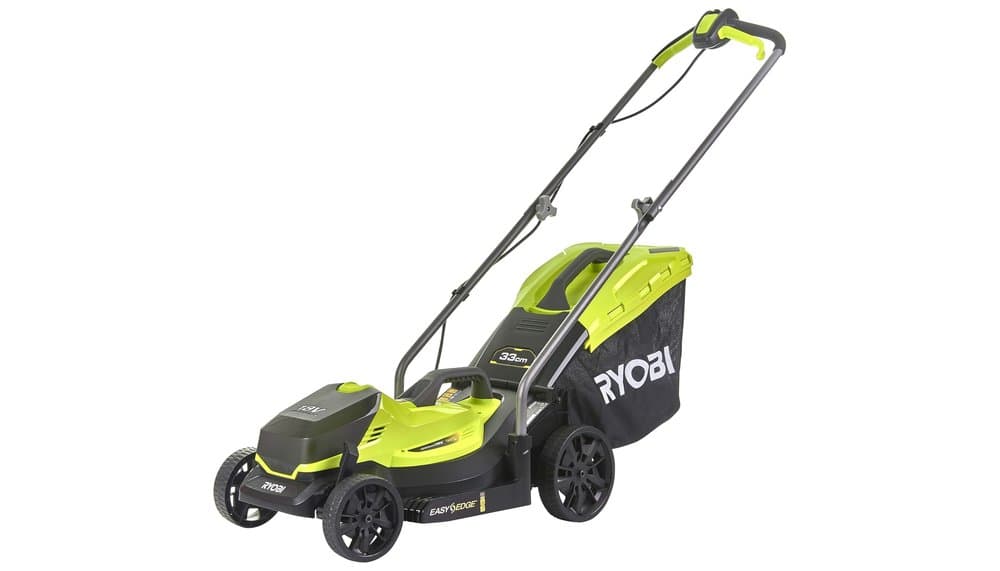
Ryobi One+ RLM18X33B40 18V Cordless Mower Review
RYOBI 18V cordless mower for small gardens, part of the ONE+ ecosystem using a universal battery compatible with over 200 tools.
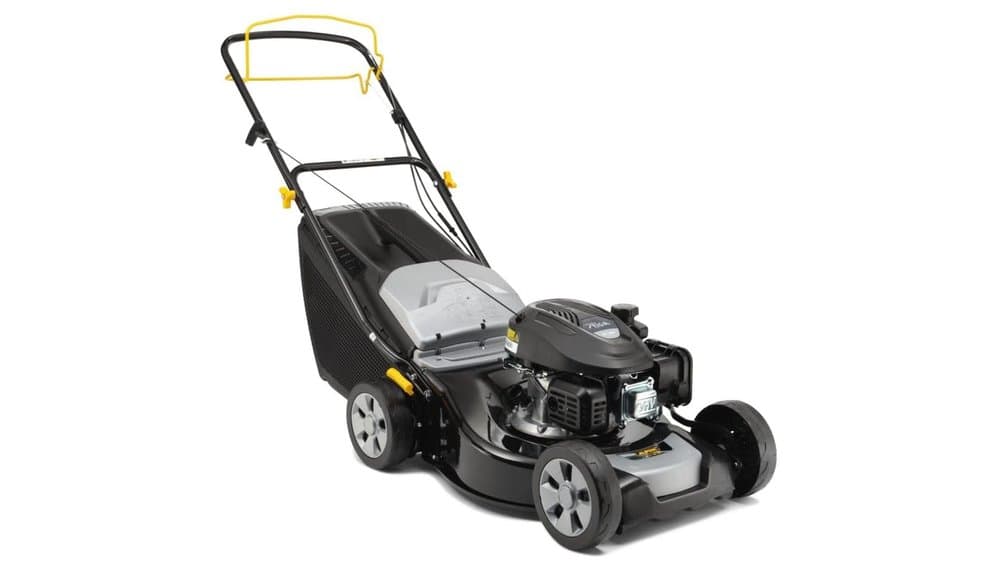
Alpina AL4 46 SA Petrol Lawnmower Review & Test
Alpina AL4 46 SA review: A robust, self-propelled petrol mower for medium to large gardens. We analyze its specs, performance, and user feedback.
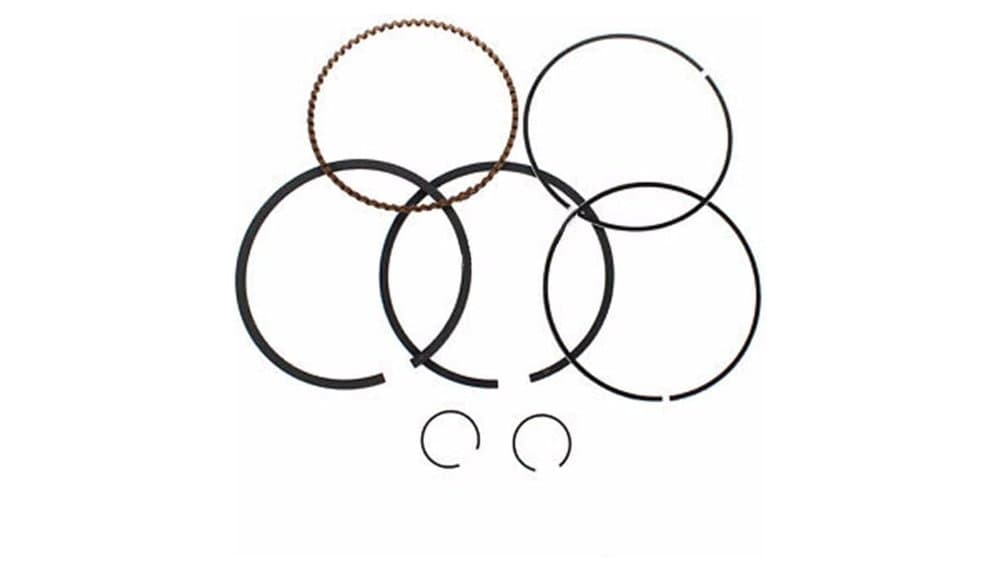
LIZONGFQ GX390 Engine Rebuild Kit Review
Restore performance: Rebuild your Honda GX390-type lawn mower engine instead of replacing the entire machine with cost-effective repair parts.
Guides you might like

Ultimate Guide to Gas Mowers
Petrol lawnmowers provide power & autonomy for large lawns over 500 m². Key features & selection criteria for your garden explained.
Buying Guide: Choosing Your Thermal Brushcutter
Guide to choosing a thermal brushcutter: Compare 2-stroke vs. 4-stroke engines and harness types for effective clearing of brambles and sloped terrain.

Wireless robotic lawn mower guide
Choose the perfect cordless robotic lawn mower. Learn to match battery life, cutting width, and your garden's layout for a flawless, hands-free lawn.